Stuck between a single-family home and a townhome in Minnetonka? You are not alone. Many move-up and downsizing buyers want the space and privacy of a house but also love the lock-and-leave ease of a townhome. In this guide, you will see clear tradeoffs, current price context, where to find each product in Minnetonka, and the key HOA, insurance, and financing checks to make before you write an offer. Let’s dive in.
Minnetonka market snapshot
- Median price range: Public snapshots place Minnetonka’s median home value in the mid 400s to mid 500s depending on method and date. For example, Zillow’s Home Value Index was about 463,700 as of January 31, 2026. Redfin’s median sale price was about 472,250 in January 2026. Realtor.com showed a median listing price near 484,700 in December 2025. City assessing notices often read higher because of their approach to market valuation.
- City valuations: The City of Minnetonka cited a median market valuation of 521,300 in March 2025 and 549,000 in a February 27, 2026 notice. The city also reported 2025 year-over-year value changes by product type, with single-family values up 3.3 percent and townhouses up 2.0 percent. You can review the city’s assessing update in the City of Minnetonka notice.
- Ownership context: Minnetonka is majority owner-occupied at roughly 71.6 percent, according to U.S. Census QuickFacts. That helps explain the steady demand for detached homes and lake-oriented properties.
- Property taxes: Effective tax rates in Minnetonka often fall around 1.1 to 1.3 percent of market value in public analyses. See a local breakdown on Ownwell’s Minnetonka trends page to understand how that can affect monthly costs.
What you own changes
Single-family basics
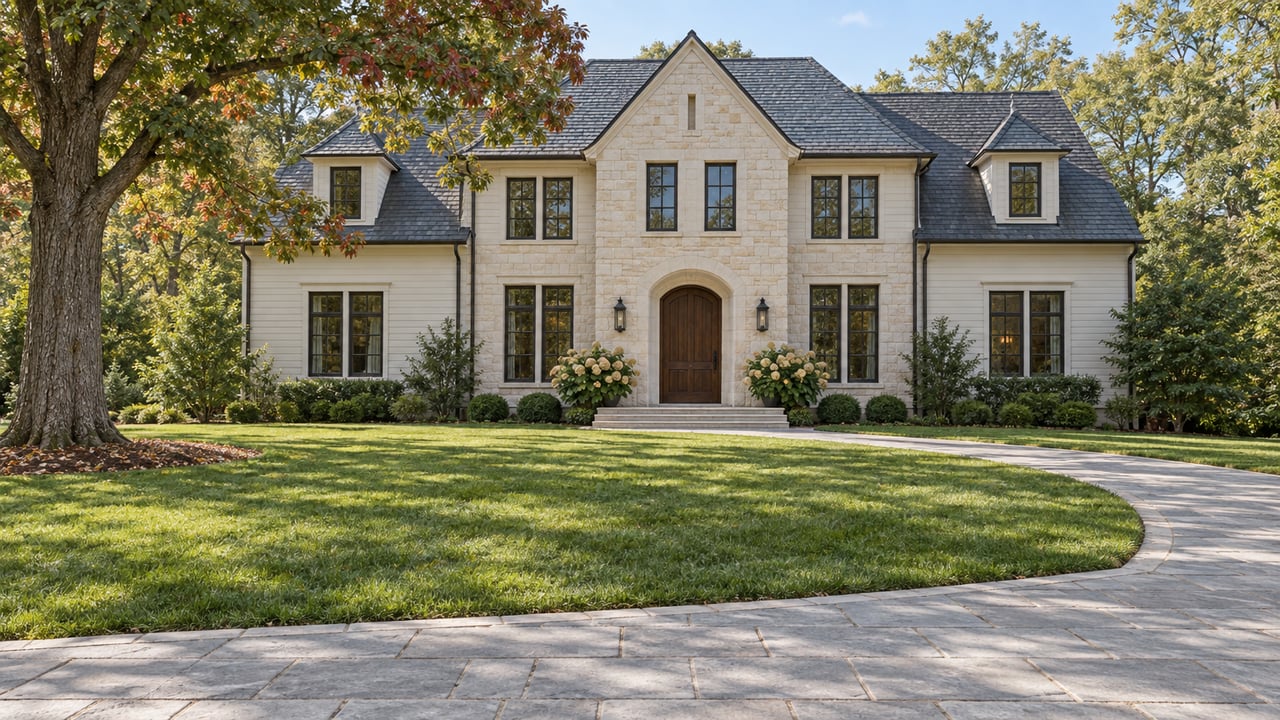
You typically own the house and the lot as fee-simple property. You control exterior choices, yard use, and most maintenance, subject to city codes and permits. Some subdivisions have associations, but many detached homes do not.
Townhome basics
“Townhome” can mean fee-simple ownership of a unit and small lot, or a condo-style common interest community where you own the interior and the association owns common elements. In Minnesota, these communities follow the Minnesota Common Interest Ownership Act and each HOA’s governing documents. Before you write an offer, review the CC&Rs, bylaws, budget, reserves, and insurance details as outlined by the Minnesota Attorney General’s guidance.
Twin homes in Minnetonka
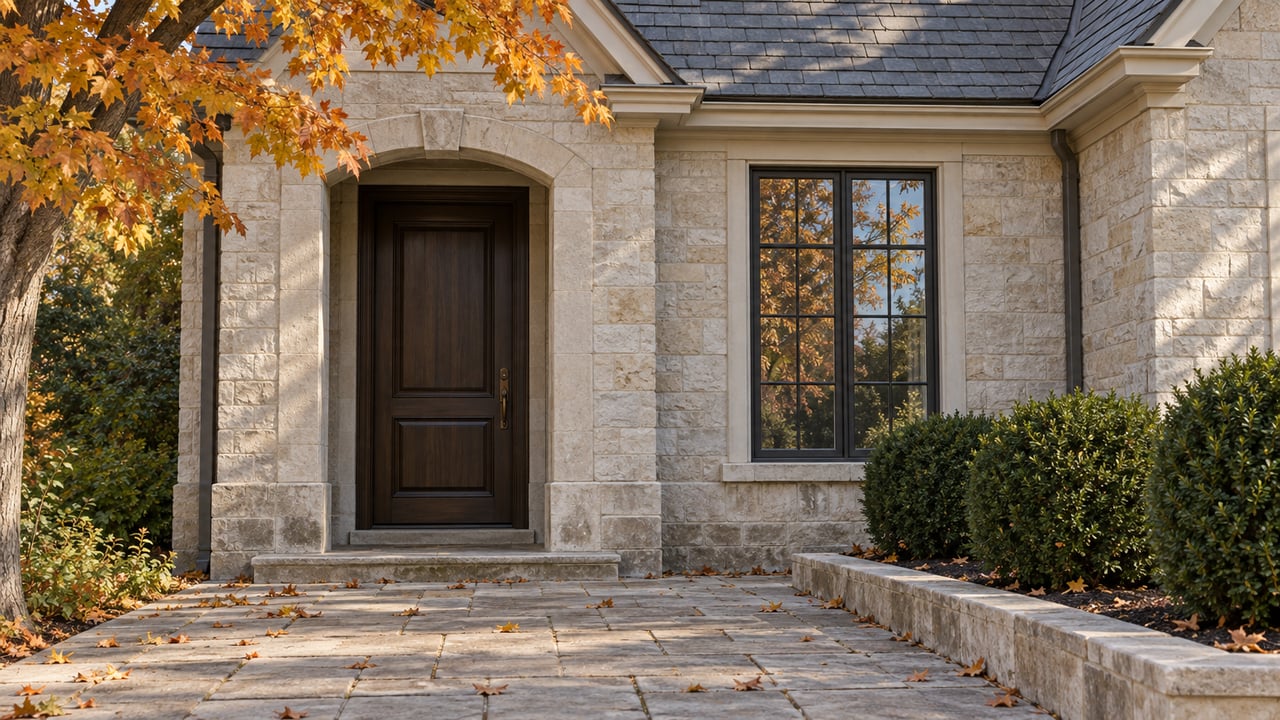
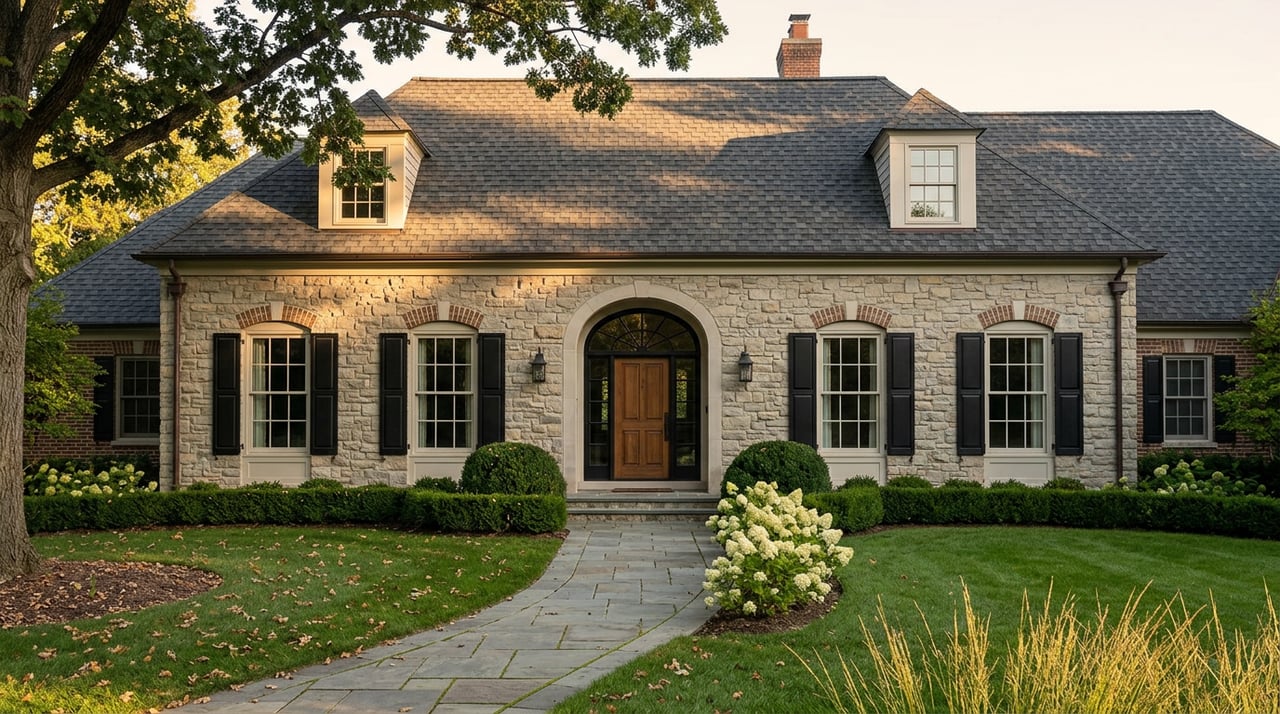
Twin homes are two attached units, often sold as separate fee-simple properties. They can feel more house-like than a condo while offering less exterior care than many detached homes. If you like privacy but want fewer exterior chores, a twin can be a smart middle ground.
Costs, HOAs, and maintenance
HOA dues vary by community and by what they include. In Minnetonka, it is common to see dues that cover lawn care, snow removal, and exterior maintenance. For example, a representative local listing shows HOA dues that include lawn and snow care plus outside maintenance from an Edina Realty townhome example. Dues can range roughly from 200 to 700 or more per month depending on amenities and whether utilities, hazard insurance portions, or reserves are included.
With a single-family home, you handle roof, siding, lawn, snow, driveway, and long-term capital items. Annual costs can vary widely based on lot size, age, and condition. Plan for seasonal services, plus reserves for big-ticket items like roof replacement and exterior paint or siding.
Privacy and outdoor space
Detached homes win on privacy and yard size, since there are no shared walls and lots are often larger. You get room for gardens, pets, a larger patio, and even ADU or pool potential if zoning allows. Townhomes trade some of that space for convenience. Many offer a deck or small patio, plus access to well-maintained common areas. End units and thoughtfully planned communities can offer more privacy than you might expect.
Insurance and financing differences
- Insurance: In a condo-style townhome community, the HOA’s master policy typically covers the building exterior and common areas, and you carry an HO-6 policy for interior improvements, personal property, and liability. In a detached home, you carry a standard HO-3 homeowner policy that insures the dwelling and the lot. Ask for the association’s master policy and confirm whether it is bare-walls or all-in coverage. For a plain-language explainer, see Forbes Advisor’s guide to condo vs homeowners insurance.
- Financing: Lenders review condo and townhome projects at the project level. If a community has low reserves, high delinquency, pending litigation, or too much commercial space, it might not be warrantable with standard conventional loans. Discuss project eligibility with your lender early and review standards in Fannie Mae’s condo project guidance.
Resale patterns to consider
In many suburbs, the land component supports detached-home values over time. In Minnetonka’s 2025 assessing data, single-family values rose a bit faster than townhouses. Well-located, low-maintenance townhomes still resell well, especially near shopping, commuting routes, and parks. Pair any resale assumptions with current MLS comps, HOA health, and location.
Where to find each type
Single-family hotspots
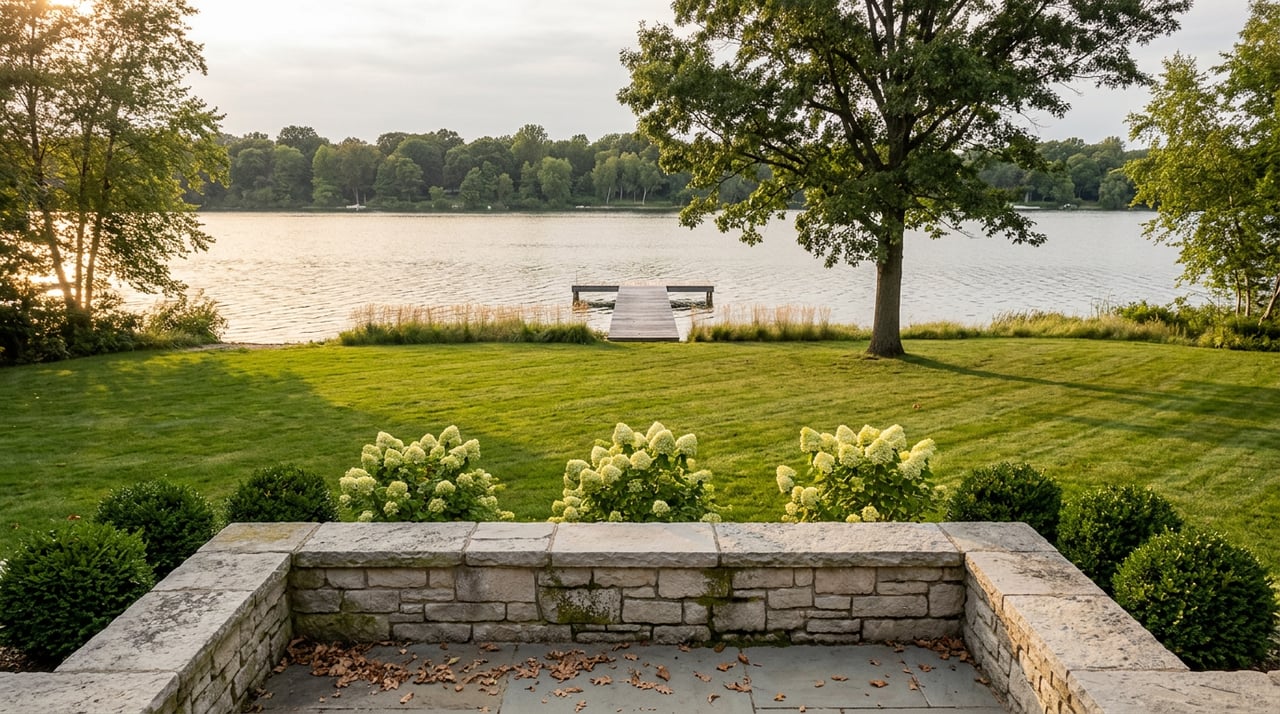
You will find a wide range of detached homes in established interior neighborhoods such as Tonkawood and Spring Hill Park, along inland stretches near Lone Lake, and on premium Lake Minnetonka shoreline. Lot size, updates, and proximity to lakes and parks can move pricing quickly.
Townhomes and condos
Clusters are common near Ridgedale Center, along Highway 7 and Tonka Boulevard corridors, and near parks like Lone Lake. These locations trade larger yards for convenience, amenities, and easier upkeep.
Twin homes
You will occasionally see twin homes across Minnetonka. They often offer more of a house feel with a smaller yard or shared exterior responsibilities, which can be appealing if you want privacy without full yard care.
When to choose each
When to prefer a townhome
- You want lock-and-leave convenience with exterior chores handled by the HOA.
- You would trade a large private yard for a deck, patio, or shared green space.
- You value amenities, and a lower purchase price in your target area frees budget for finishes or location.
- You prefer one-level living or fewer stairs, which is common in many villa or rambler-style townhomes.
When to prefer a detached home
- You want maximum privacy, no shared walls, and a larger yard for pets or play.
- You value control over exterior style, landscaping, and long-term updates.
- You might add space later, such as an addition or accessory structure, subject to city zoning.
- You are comfortable managing seasonal services and saving for big-ticket maintenance items.
Your decision checklist
- Budget signal: In many Minnetonka comparisons, single-family homes price higher than attached homes. Sample estimates often show a material gap between detached and townhome medians, though there is overlap. Confirm with current MLS comps in your target neighborhoods.
- Maintenance and time: Decide if you want HOA-managed exterior tasks like lawn and snow. The Edina Realty example shows how dues can cover those common items.
- Outdoor and privacy needs: If you want a big backyard, room for pets, or space for gardens, favor detached. If you prefer a small patio and shared grounds, a townhome can fit well.
- Financing and insurance: Ask your lender about project eligibility and review Fannie Mae’s condo project standards. For insurance, request the HOA’s master policy and confirm your HO-6 or HO-3 coverage needs with your insurer, using this Forbes Advisor overview as a primer.
- Downsizing goals: If you want main-level living and fewer stairs, look for one-level townhomes or villa-style plans. A practical move plan from AARP’s home sale checklist can help you prepare.
Documents to review before you offer
- HOA packet: CC&Rs, bylaws, most recent budget, reserve study, insurance certificate, meeting minutes, owner-occupancy percentage, delinquency rate, and any planned assessments or litigation. The Minnesota Attorney General’s guidance explains these documents in plain language.
- Responsibility matrix: Clarify what the HOA covers versus what you must insure and maintain. Confirm whether decks, windows, and driveways are HOA or owner responsibility.
- Seller disclosures and inspection: Standard due diligence still applies. For lake or special-lot properties, confirm utility, setback, shoreline, and easement details with city planning and county records.
Ready for next steps?
If you are weighing space and privacy against convenience and lower upkeep, the right answer depends on your budget, time, and lifestyle. I will help you compare real listings side by side, read the HOA fine print, and pressure-test financing and insurance early so you can move forward with confidence. When you are ready, let’s talk about your goals and set up a targeted tour plan.
Get 100% solo guidance, backed by Edina Realty’s reach. Connect with Randy Kellogg to make a clear, confident choice in Minnetonka.
FAQs
What is the price gap between single-family and townhomes in Minnetonka?
- Public snapshots show detached homes typically pricing higher than attached homes, though there is overlap. Use current MLS comps in your target neighborhoods to confirm today’s spread.
What do typical HOA dues cover for Minnetonka townhomes?
- Many HOAs include lawn care, snow removal, and exterior maintenance. Some add amenities or certain utilities. Always review the HOA budget, reserves, and coverage details before offering.
How do Minnetonka property taxes affect my payment?
- Many buyers use a 1.1 to 1.3 percent effective rate as a planning guide. Check your specific property’s assessed value and levy details and confirm with your lender and tax advisor.
What insurance policy do I need for a townhome or condo?
- In a condo-style community, you usually carry an HO-6 policy for interior coverage, with the HOA’s master policy covering the exterior. Detached homes typically use an HO-3 policy.
Can I use FHA or VA financing on a Minnetonka condo or townhome?
- Often yes, but the project must meet lender and agency standards. Have your lender check project eligibility early so there are no surprises at underwriting.