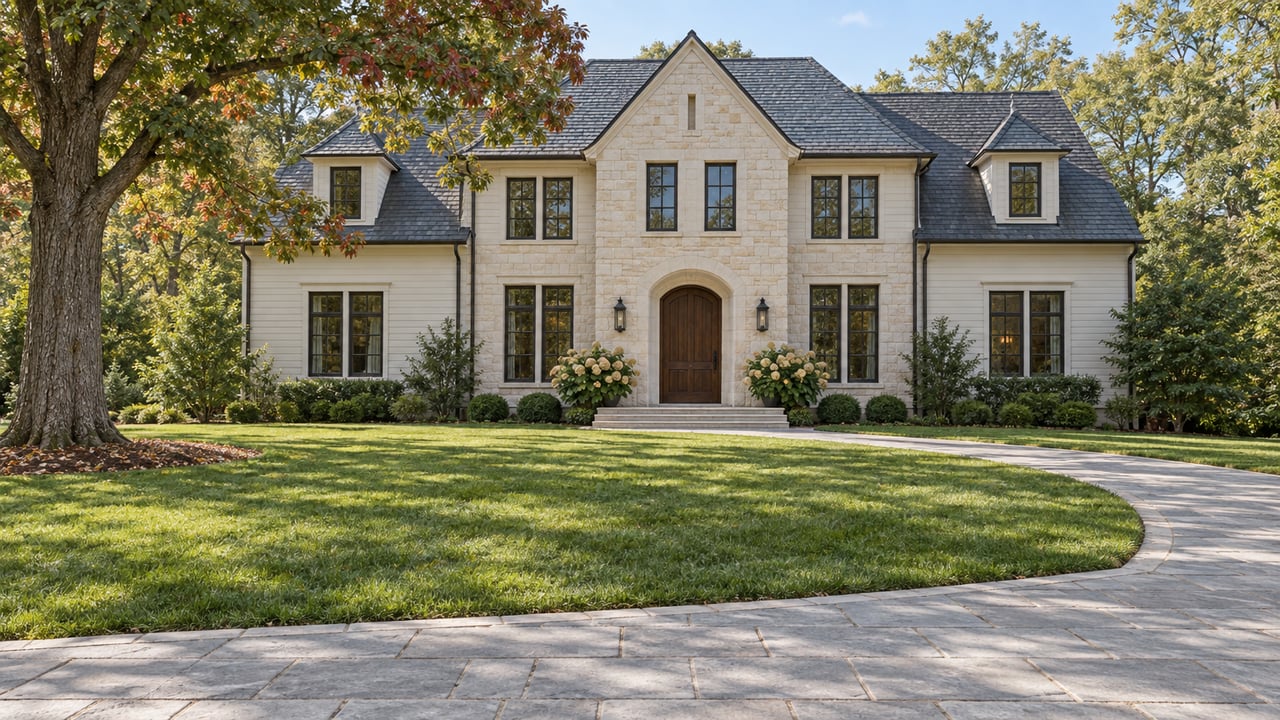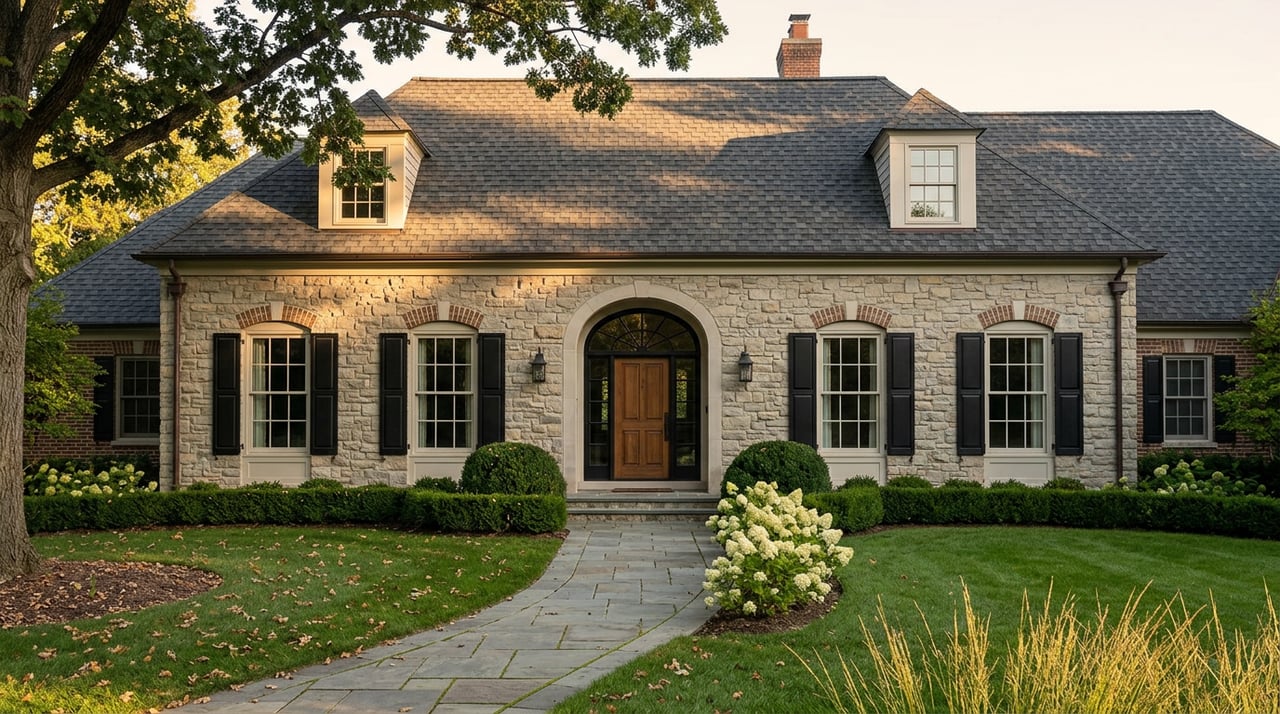
Thinking about buying in Minnetonka? You are not alone, and you are probably weighing a few big questions at once: how far your budget will go, whether an older home is worth the tradeoff, and which locations make daily life easier. Minnetonka offers a lot to like, from established neighborhoods and natural amenities to strong route access, but it is also a market where details matter. This guide will help you understand what to expect as a first-time or move-up buyer so you can make a smarter, more confident decision. Let’s dive in.
Why Minnetonka Draws Buyers
Minnetonka is a fully developed suburban city about eight miles west of Minneapolis, with roughly 53,000 residents. It has a high owner-occupied housing rate at 71.6%, which reflects its strong base of established homeowners and long-term neighborhood stability. For many buyers, the appeal comes from the mix of mature housing, access to major routes, and a landscape shaped by lakes, wetlands, and trees.
That setting creates a different buying experience than you may find in outer-ring suburbs. Instead of choosing from large waves of new construction, you are often comparing established homes with different ages, remodel histories, and lot features. In Minnetonka, two homes with similar square footage can feel very different once you look at updates, layout, lot usability, and location.
Minnetonka Market Snapshot
Minnetonka sits in a higher price range than the broader Minnesota market. Zillow reported an average home value of $483,591 as of March 31, 2026, while Redfin reported a March 2026 median sale price of $525,000. Those numbers use different methods, so it is best to read them as a price range rather than a mismatch.
Homes are also moving at a steady pace. Zillow reported 33 days to pending and 142 homes for sale, while Redfin showed about 25 days on market. That tells you this is not a market where buyers can assume unlimited negotiating room, especially when a home is well prepared and priced appropriately.
Minnetonka is also notably above the state’s median owner-occupied home value of $305,500. The city’s median household income of $119,517 helps explain why updated homes and desirable lots can still draw firm demand. If you are entering the market here, strong budgeting and a clear sense of priorities matter.
What First-Time Buyers Should Expect
If you are a first-time buyer, Minnetonka can offer more variety than you may expect. In 2024, the city had 27,117 housing units, including 13,909 single-family detached homes, 2,682 townhomes, 310 duplex, triplex, and fourplex units, and 10,207 multifamily units. Detached homes are still the largest category, but attached housing creates real entry points for buyers who want to get into the city at a lower price point.
In practical terms, the tightest part of the market is often below $500,000. Based on the city’s housing mix, lot rules, and current market medians, listings in that range are more likely to be townhomes, condos, or smaller and older detached homes with fewer updates. That does not mean you cannot find value there, but it does mean you should expect tradeoffs.
Common tradeoffs for first-time buyers include:
- Older systems or finishes
- Smaller detached homes
- Attached ownership with HOA costs
- Busier locations near major routes
- Lots with more limitations due to slope, drainage, wetlands, or shoreland rules
The good news is that Minnetonka’s established character can still give you strong long-term appeal. Many homes sit in mature areas with trees, trails, and convenient access to shopping and commuting corridors. If you focus on condition, monthly cost, and location fit, you can make a smart entry into the market.
What Move-Up Buyers Should Expect
Move-up buyers often find Minnetonka especially appealing because of its lot patterns and established housing stock. The main move-up range tends to sit around the current market medians and into the upper-mid price bands, where renovated detached homes from the 1960s through the 1980s are common. These homes often offer more space, larger yards, and more established neighborhood settings than newer options in some competing suburbs.
Minnetonka’s premium tier usually reflects a few specific drivers. Larger lots, proximity to lakes or creeks, heavier remodeling, and newer construction can all push pricing upward. Because the city is nearly fully developed, homes with a standout combination of updates, site quality, and location can command strong interest.
If you are moving up, it helps to compare homes through a practical lens rather than just a price-per-square-foot lens. A remodeled mid-century home on a usable lot may offer more real value to your household than a larger house with deferred maintenance or a more constrained site. In this market, the details often decide whether a home feels like a smart step up or an expensive compromise.
Why Housing Age Matters
One of the most important things to understand about Minnetonka is that much of the housing stock is older. City planning documents show early development along the Minnehaha Creek corridor and Lake Minnetonka shoreline, with additional suburban growth in the 1950s and 1960s, especially around Highway 7. That is why many homes on the market today were built decades ago, even if they have been updated.
The city also reports that two-thirds of Minnetonka homes were built before Minnesota’s 1976 energy code. For buyers, that does not automatically mean a problem. It does mean you should look carefully at remodel history, insulation, windows, mechanical systems, and the quality of past improvements.
An older home with thoughtful updates can be a great fit. An older home with cosmetic improvements but major deferred items can be a very different story. That is why buyers in Minnetonka benefit from looking beyond surface finishes and asking deeper questions about condition.
Lot Size, Usability, and Natural Constraints
Minnetonka’s lot patterns are a major part of its appeal. Established neighborhoods often have one-third- to one-half-acre lots, and the city’s planning approach supports preserving the half-acre minimum in many single-family areas. For buyers who want privacy, mature trees, or more separation between homes, that can be a real advantage.
At the same time, bigger does not always mean simpler. Minnetonka has zoning and site standards that can affect what you can do with a property. In one current single-family standard, lots must meet minimum requirements for area, width, and depth, and homes must provide at least two off-street parking spaces. City code also points to floodplain, wetland, slope, drainage, and tree protections that can limit changes to a site.
This matters when you are comparing outdoor space. A large lot may look appealing on paper, but parts of it may be less usable because of setbacks, topography, or environmental protections. If you are hoping for future additions, major landscaping, or other site changes, this is worth reviewing early.
Lake and Creek Areas Come With Extra Rules
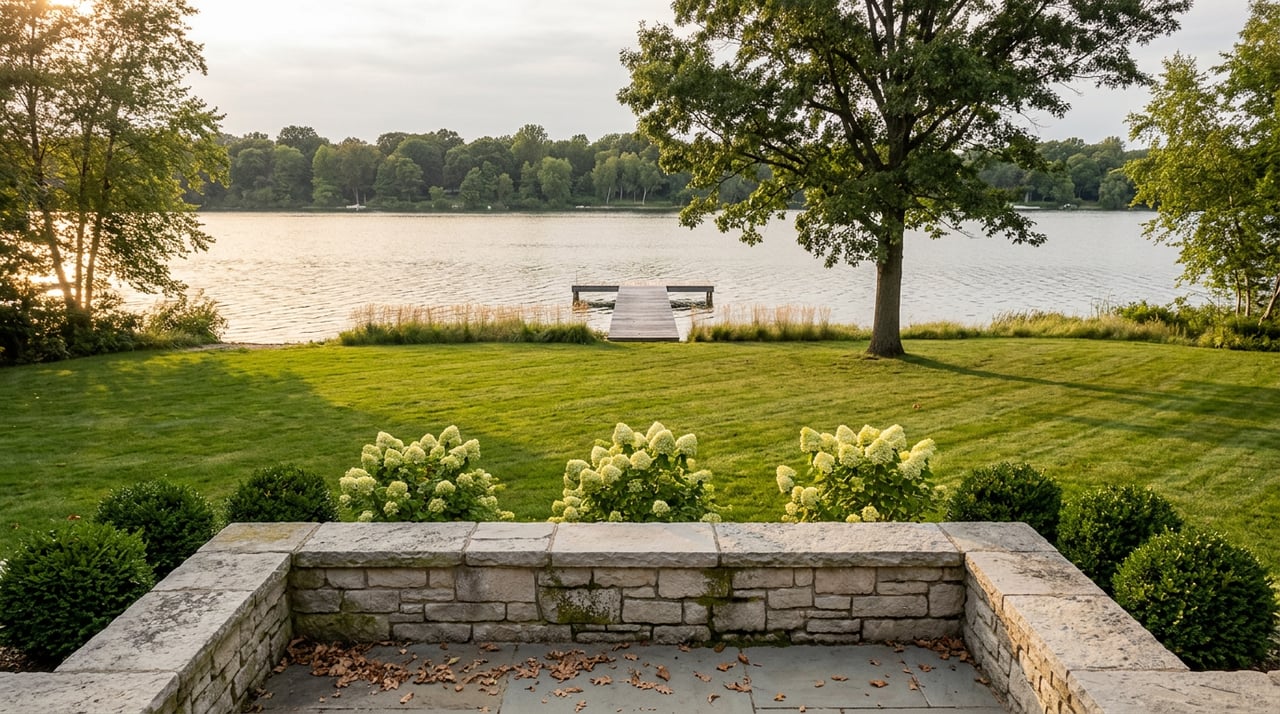
Water-oriented property is a major value driver in Minnetonka, but it also comes with tighter standards. The city’s shoreland rules require 22,000 square feet for riparian lots and 75 feet of water frontage, while non-riparian R-2 single-family lots require 15,000 square feet. That helps explain why lake-adjacent and creek-adjacent homes can command a premium beyond just the view.
For you as a buyer, this means waterfront and near-water properties are often scarce, more regulated, and more expensive. Even if you are not buying directly on the water, nearby natural features can still affect lot shape, setbacks, drainage, and future improvement options. A property’s setting is a big part of its value in Minnetonka, but it is also part of its complexity.
Commute Access Can Shape Value
Location in Minnetonka is not just about the neighborhood feel. It is also about how the property connects to your routine. Major routes include I-394, I-494, Highway 7, Highway 169, and county roads like Excelsior Boulevard, Minnetonka Boulevard, and Hopkins Crossroad.
Metro Transit also serves the city with local and express buses, and park-and-rides are available at I-394 and Hopkins Crossroad and at I-394 and Plymouth Road. For some buyers, easy route access is a major advantage. For others, being set farther from those corridors may feel more appealing.
Minnetonka also maintains more than 250 miles of streets, 582 cul-de-sacs, and about 90 miles of sidewalks and trails. That suburban layout affects traffic flow, walkability, and the way homes sit on their lots. When you compare locations, it helps to think beyond the map and picture your actual day-to-day patterns.
What to Compare When Homes Look Similar
In Minnetonka, homes can look similar online but differ a lot in real value. That is why buyers need to compare the right variables. In a competitive market, clear side-by-side analysis can save you from overpaying for the wrong features or missing a better-fit option.
Focus on these filters as you search:
- Year built
- Remodel history
- Lot size and lot usability
- Shoreland or other site constraints
- HOA costs for attached homes
- Proximity to major commuting corridors
These factors often explain why one listing is priced noticeably higher than another. A home with a better site, stronger updates, and easier access may justify the difference. A home with a bigger number on paper but more hidden tradeoffs may not.
How Competitive Is the Market?
Minnetonka is competitive enough that preparation matters. Redfin describes the market as very competitive, with many homes receiving multiple offers and average homes selling about 1% below list price. Zillow reported a 0.981 sale-to-list ratio and said 17.9% of sales closed above list price.
That does not mean every listing becomes a bidding war. It does mean the most attractive homes can move quickly, especially when they combine updated condition, a strong lot, and a desirable location. If you are buying here, pre-approval, realistic expectations, and a clear strategy are important.
For first-time buyers, that may mean narrowing your must-haves early. For move-up buyers, it may mean understanding which upgrades or lot features are actually worth stretching for. In both cases, disciplined decision-making usually beats emotional overreaching.
A Smart Minnetonka Buying Strategy
Minnetonka rewards buyers who shop with focus. Because the city is largely built out, your best opportunities usually come from understanding the tradeoffs in established homes rather than waiting for abundant new inventory. The goal is not just to buy a house here. The goal is to buy the right combination of condition, lot, and location for your next chapter.
A practical strategy often looks like this:
- Set a realistic budget based on Minnetonka’s price range.
- Decide whether you are open to attached housing, older detached homes, or both.
- Prioritize the variables that matter most, such as commute access, outdoor space, or remodel quality.
- Review lot usability and any site constraints before getting too far into the process.
- Move quickly when a well-matched home comes up, especially in competitive price bands.
Whether you are buying your first place or making a move into more space, Minnetonka offers a lot of long-term appeal. The key is knowing how to read the market clearly and avoid paying premium pricing for features that do not truly fit your needs.
If you want a local, honest read on Minnetonka homes, from entry-level options to move-up opportunities, Randy Kellogg offers direct, one-on-one guidance to help you buy with confidence.
FAQs
What is the typical home price range in Minnetonka for buyers?
- Recent data places Minnetonka broadly in the mid-$400,000s to low or mid-$500,000s, depending on whether you look at average value or median sale price.
Is Minnetonka a good place for first-time buyers to find options?
- Minnetonka can work for first-time buyers because it has townhomes, multifamily housing, and smaller detached homes, though lower price points tend to be more competitive and may involve tradeoffs.
Are most homes in Minnetonka older homes?
- Yes. Much of Minnetonka’s housing stock was built during earlier development periods, especially in the 1950s and 1960s, and many homes predate Minnesota’s 1976 energy code.
Do Minnetonka lots tend to be larger than in newer suburbs?
- Many established neighborhoods have larger lots, often around one-third to one-half acre, though lot usability can vary based on slope, wetlands, drainage, and other site conditions.
Does route access affect home value in Minnetonka?
- Yes. Access to I-394, I-494, Highway 7, Highway 169, and other major roads is one of the city’s key location variables and can affect both convenience and pricing.
Are waterfront homes in Minnetonka more regulated?
- Yes. Shoreland properties are subject to stricter lot area and frontage standards, which can add scarcity and help support premium pricing near water.