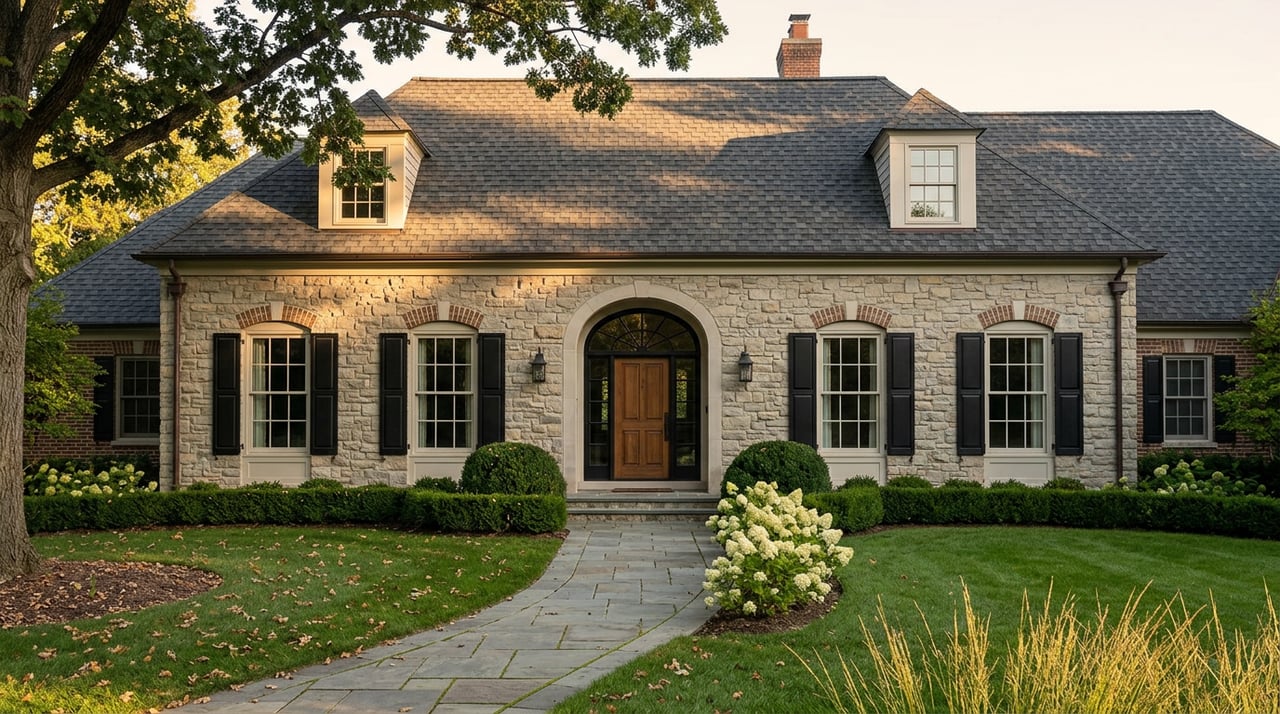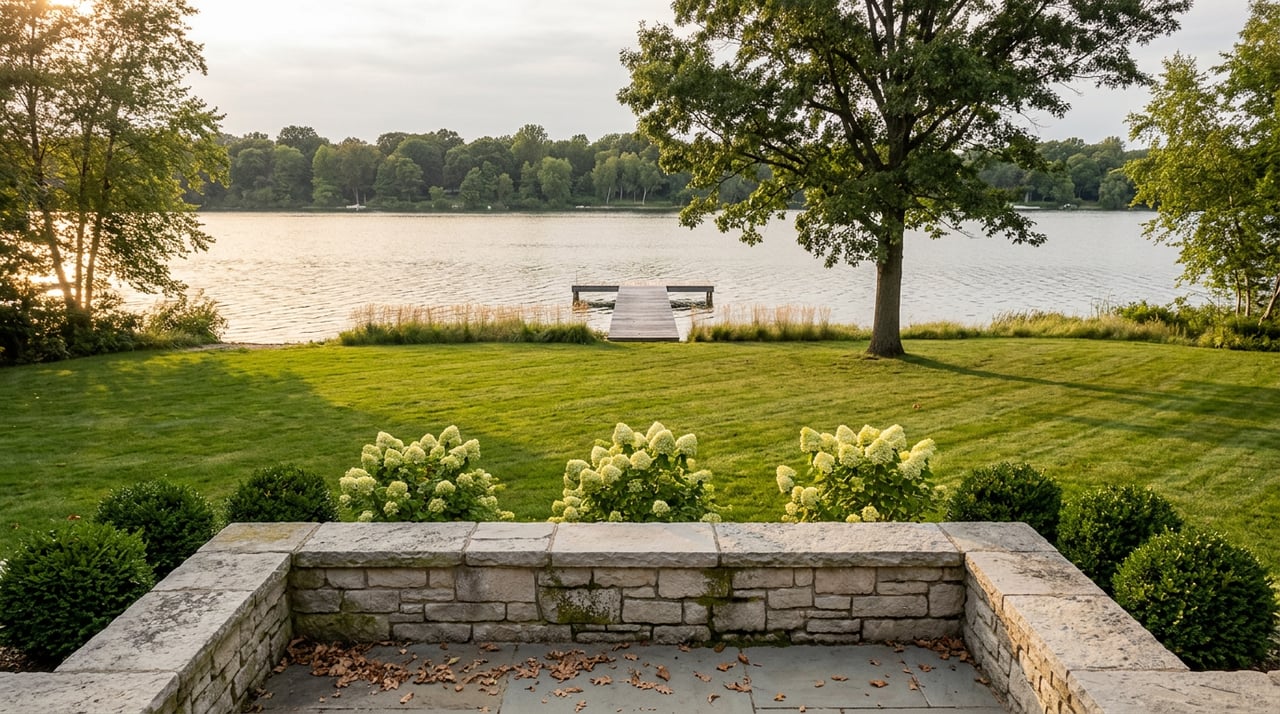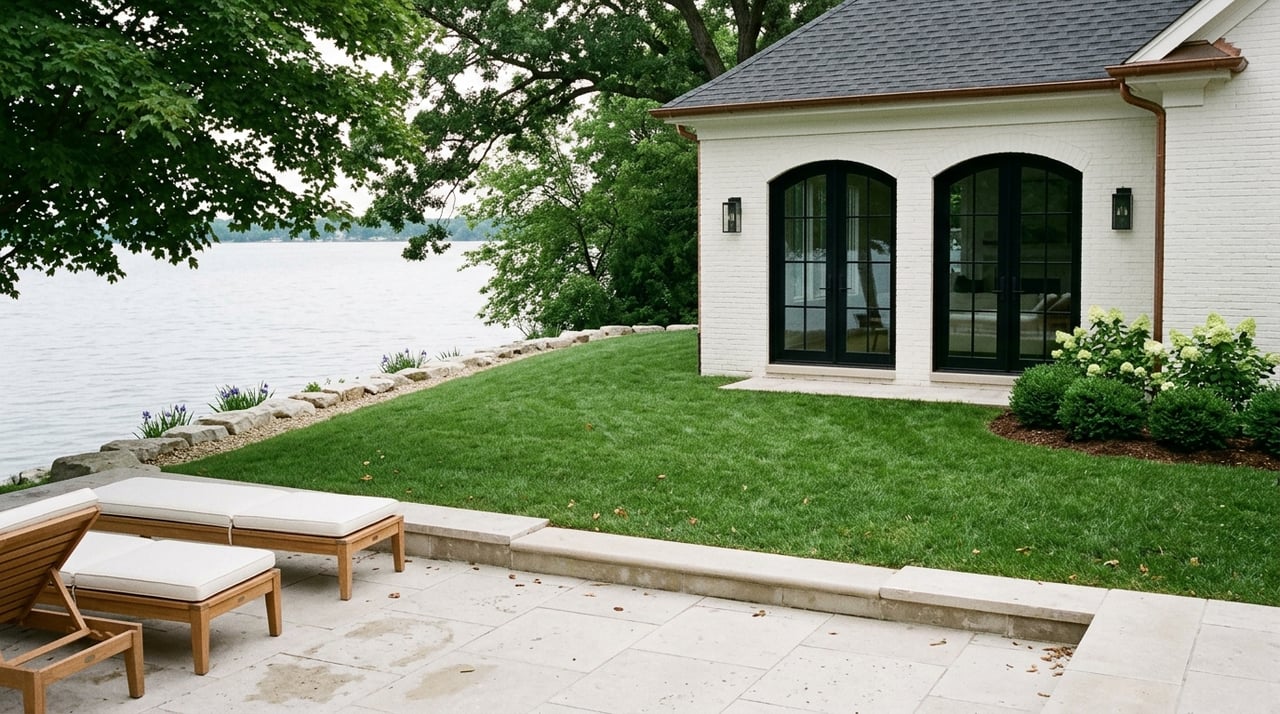
Dreaming about mornings on Lake Minnetonka and evenings by the water in Deephaven? It is easy to see the appeal, but buying a lake home here is different from buying a typical suburban property. In Deephaven, your decision often involves the house, the shoreline, boating access, and local rules all at once. If you want to make a smart move with clear eyes, this guide will help you know what to look for before you buy. Let’s dive in.
Why Deephaven Draws Lake Buyers
Deephaven is a small residential city on Lake Minnetonka, and the lake is central to how the community functions and feels. According to the City of Deephaven history page, the city includes three deep-cut bays along its western border, six public beaches, and two city marinas with space for about 312 boats.
That setting creates a lifestyle many buyers want, but it also means access and use are shaped by more structure than you might expect. The Lake Minnetonka Conservation District notes that Lake Minnetonka is one of the busiest lakes in Minnesota, with 42 bays that vary in depth and water quality. In other words, not every waterfront experience is exactly the same from one property to the next.
Lake Access Is Not Always Automatic
One of the biggest mistakes buyers make is assuming that being near the water means easy boating access. In Deephaven, access is often managed through permits, leases, and waiting lists rather than guaranteed by location alone.
The city’s marina and watercraft space system includes dock slips, buoys, shore spaces, slides, and canoe racks for residents. Property owners receive first priority for watercraft spaces, but annual lease agreements are required, and the city maintains separate waiting lists for different space types.
That matters because the wait can be significant. Deephaven reports about 460 names on the dock-slip list and 350 names on the shore-space list, which is a strong sign that access may take time even if you already own nearby.
What this means for your home search
If lake access is part of your plan, you will want to look beyond the listing photos and ask specific questions such as:
- Does the property include private frontage?
- Is there an existing dock or approved dock-use area?
- Does the property rely on city marina access?
- Are there current leases, permits, or waiting list positions involved?
- If the home is in a common-interest community, what do the association documents allow?
A home can still be a great fit if access is limited or delayed, but it is better to know that upfront than discover it after closing.
Private Frontage Has Rules Too
Even when a property has shoreline, you cannot assume unlimited docking or mooring rights. On Lake Minnetonka, the LMCD shoreline owner rules say docks, structures, watercraft, and similar items must stay within authorized dock use areas, and lakewide density rules may limit how many watercraft a site can moor or dock.
This is one reason due diligence matters so much in Deephaven. A property may look ideal from the shore, but your actual day-to-day use can depend on regulations that are not obvious during a casual showing.
Know the Seasonal Realities
Lake living changes with the seasons, and so does access. Deephaven’s city marina information explains that Carson’s Bay launch is open year-round, while St. Louis Bay closes during the swimming season. The city also controls beach and launch parking through seasonal permits and stickers.
Water levels can affect how a shoreline functions too. The LMCD water level page explains that Lake Minnetonka’s ordinary high-water level is 929.4 feet and that levels fluctuate seasonally. If the lake drops low enough, low-water declarations may be made, and temporary dock extensions can be allowed under specific rules.
For you as a buyer, this means a shoreline should be evaluated for real-world usability, not just appearance. A dock, lift, or shore setup that works well in one season may feel very different in another.
Renovation Plans Need Early Review
Many buyers look at a lake property and immediately picture an addition, a larger patio, new landscaping, or a shoreline upgrade. In Deephaven, those ideas need an early reality check.
The city states on its planning and zoning page that most structures require a building permit, all structures must meet setbacks, and property owners should review zoning maps and consult the city before planning improvements. That is especially important on waterfront lots, where lot shape, setbacks, and site coverage can narrow your options.
State shoreland standards also come into play. The Minnesota DNR shoreland property owner guidance says impervious surface coverage in shoreland areas is generally limited to 25% per lot. The DNR also advises owners to contact the local zoning authority before cutting vegetation, grading, or building near the water, since many improvements require permits.
Renovation questions to ask before you buy
Before writing an offer, it helps to clarify:
- Whether current structures appear conforming
- Whether your desired addition or remodel may fit setback rules
- How much impervious coverage already exists on the lot
- Whether any shoreline work may need permits or review
- Whether local or lakewide rules could affect dock placement or reconfiguration
If your purchase depends on changing the property, those answers can be just as important as price and condition.
Docks and Boating Use Have Layered Rules
Buyers often assume dock rules are simple, but in Deephaven they can involve both state and lake-specific standards. The Minnesota DNR dock guidance says many standard docks do not need a permit if they are narrow, non-hazardous, and consistent with local rules.
However, Lake Minnetonka can be more restrictive than the statewide baseline. LMCD dock-use-area and density rules may affect what is allowed, so a dock that seems ordinary still deserves verification before you rely on it as part of your purchase decision.
Daily boating use also comes with safety rules. Under the LMCD 300-foot wake rule, all watercraft must travel 5 mph within 300 feet of shore and within 150 feet of docks, anchored boats, swimmers, and scuba-diver flags. For lake buyers, that is not a minor detail. It is part of everyday life on the water.
Shoreline Upkeep Is Part of Ownership
Owning lake frontage is not only about views. It also means caring for a shoreline in a way that supports long-term stability and compliance.
The Minnesota DNR buffer zone guidance recommends natural vegetation buffers because they help stabilize shoreland, reduce erosion, filter nutrients, and lower lawn maintenance. The DNR says ideal buffer zones often cover 50% to 75% of shoreline frontage.
If a shoreline has riprap or other hard armoring, permits and added vegetation on the landward side may be required. That makes shoreline condition a practical issue, not just a cosmetic one.
Seasonal maintenance matters too. The DNR invasive species guidance for shoreland residents says docks, lifts, swim rafts, and similar equipment must dry for 21 days before being moved to another waterbody. Owners are also advised to inspect equipment for aquatic invasive species when removing it for storage.
Utilities and Systems Deserve Extra Attention
With lake properties, your due diligence should include more than the visible features. Utility systems can affect cost, maintenance, and future planning.
The Minnesota Department of Health guidance for buyers and sellers of homes with wells says sellers must disclose known private wells, recommends testing well water when moving in, and notes that septic systems require regular maintenance. Hennepin County regulates most septic systems in Deephaven, and the same MDH guidance notes that many buyers and lenders want a compliance inspection even though a sale itself does not require one.
These are not small items. If a property has a private well or septic system, you will want a clear understanding of condition, maintenance history, and any recommended next steps before you close.
Condo and Townhome Buyers Need One More Layer
Not every Deephaven lake home is a detached house with private shoreline. If you are considering a condo, townhouse, or other common-interest community, ownership can come with another set of rules and costs.
The Minnesota Attorney General’s common-interest community guidance explains that declarations, bylaws, rules, budgets, and assessments can materially affect how a property is used and what it costs to own. Sellers are also required to provide certain disclosures.
That means your review should include more than the unit itself. You will want to know who handles maintenance, what fees cover, what restrictions apply, and whether the community’s finances align with your expectations.
A Smarter Way to Evaluate Deephaven Lake Homes
In Deephaven, it helps to think of a lake purchase as four decisions in one:
- The house and its condition, layout, and long-term fit
- The lot and shoreline and how they function in real life
- The access to boating, docks, launches, and parking
- The rules that shape what you can change and how you can use the property
When you look at homes through that lens, you are less likely to be surprised later. You can compare properties based on how they actually support the lifestyle you want, not just how they photograph online.
If you are considering a move in Deephaven or anywhere around the west metro lake market, working with one accountable advisor can make the process much clearer. When you want practical guidance, careful due diligence, and direct communication from start to finish, connect with Randy Kellogg.
FAQs
What should you check before buying a lake home in Deephaven?
- You should review shoreline access, dock or marina rights, waiting lists, zoning limits, possible permit needs, and any well or septic details before moving forward.
How does marina access work for Deephaven residents?
- Deephaven manages watercraft spaces through leases, permits, and waiting lists, with property owners receiving first priority but not immediate guaranteed access.
Can you add onto a Deephaven lake home after you buy it?
- Maybe, but you should first confirm city setback rules, zoning requirements, and shoreland limits such as impervious surface coverage before assuming an addition or reconfiguration will be allowed.
Do private lakefront homes in Deephaven automatically allow multiple boats?
- No. LMCD rules can limit dock placement and the number of watercraft a site may moor or dock, even when a property has private frontage.
What ongoing maintenance comes with lake property in Deephaven?
- Ownership may include shoreline vegetation management, erosion prevention, dock and lift storage, invasive-species checks, and attention to private well or septic systems when present.