Trying to choose between a classic mid‑century charmer and a newer build in Golden Valley? You are not alone. The city blends 1950s–1970s homes with select newer infill, so your pick shapes your budget, renovation plan, and day‑to‑day living. In this guide, you will compare floor plans, renovation potential, maintenance needs, and neighborhood patterns to find the best fit for you. Let’s dive in.
At a glance: Golden Valley housing
- The City’s housing stock skews mid‑century. The median year built is about 1965, according to the City’s 2023 Housing Needs Analysis.
- Recent median price snapshots vary by data source and timing. Examples: Zillow ZHVI was about $418,000 (Jan 2026). Redfin showed roughly $522,000 (Feb 2026). Realtor.com reported about $477,500 (late 2025). Use these as context, not absolutes.
- New single‑family supply is limited. Golden Valley is largely built out. City planning points to targeted infill and more multifamily since 2010, per 2040 Comprehensive Plan materials and the Housing Needs Analysis.
What you will find in Golden Valley
Mid‑century staples: ramblers and splits
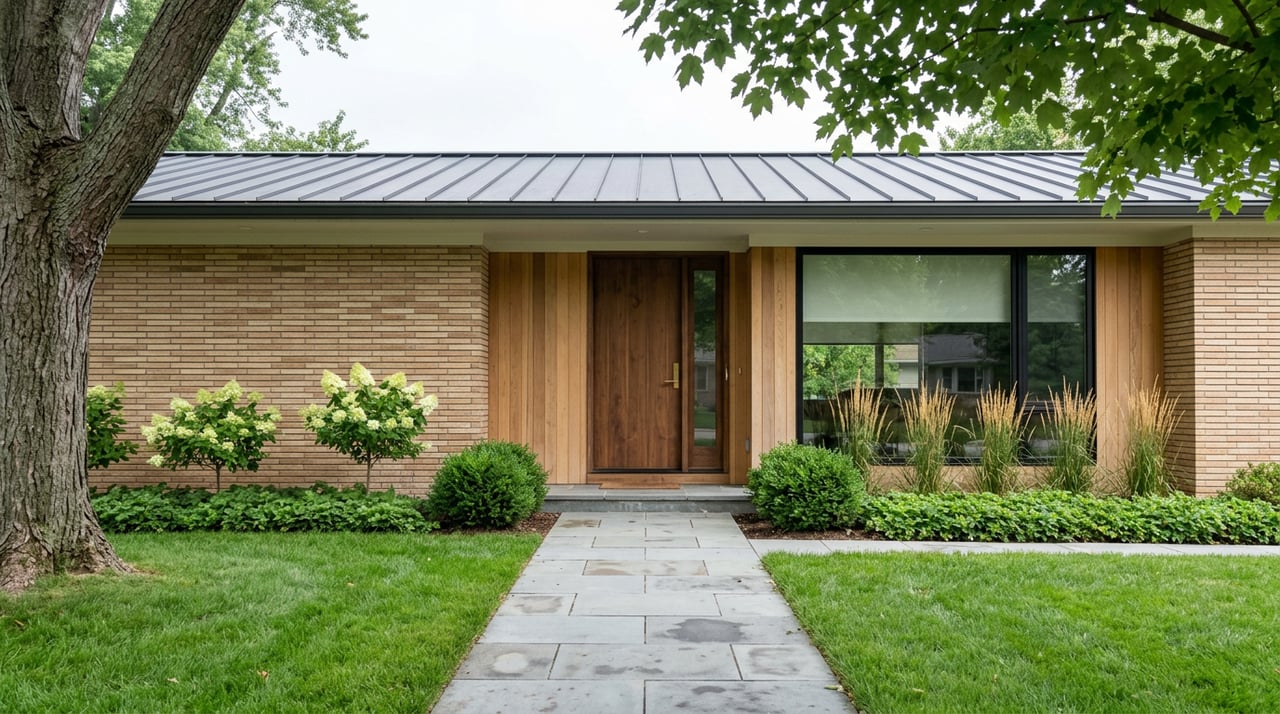
Golden Valley’s most common home types were built in the 1940s–1970s. Expect one‑story ranches, locally called ramblers, and split‑levels. Ramblers offer main‑floor living, a horizontal look, and picture windows. Split‑levels add half‑levels that separate sleeping, living, and family spaces. These styles are documented in the Golden Valley Historic Context Study.
Higher‑style mid‑century pockets
You will also see architect‑designed mid‑century modern homes with large glass, low‑pitched roofs, and integration with the site. Tyrol Hills is a known area for custom mid‑century design and larger lots, according to the city’s historic study. Availability changes seasonally, but this is where you will often find standout design if character is your priority.
Newer builds and small infill
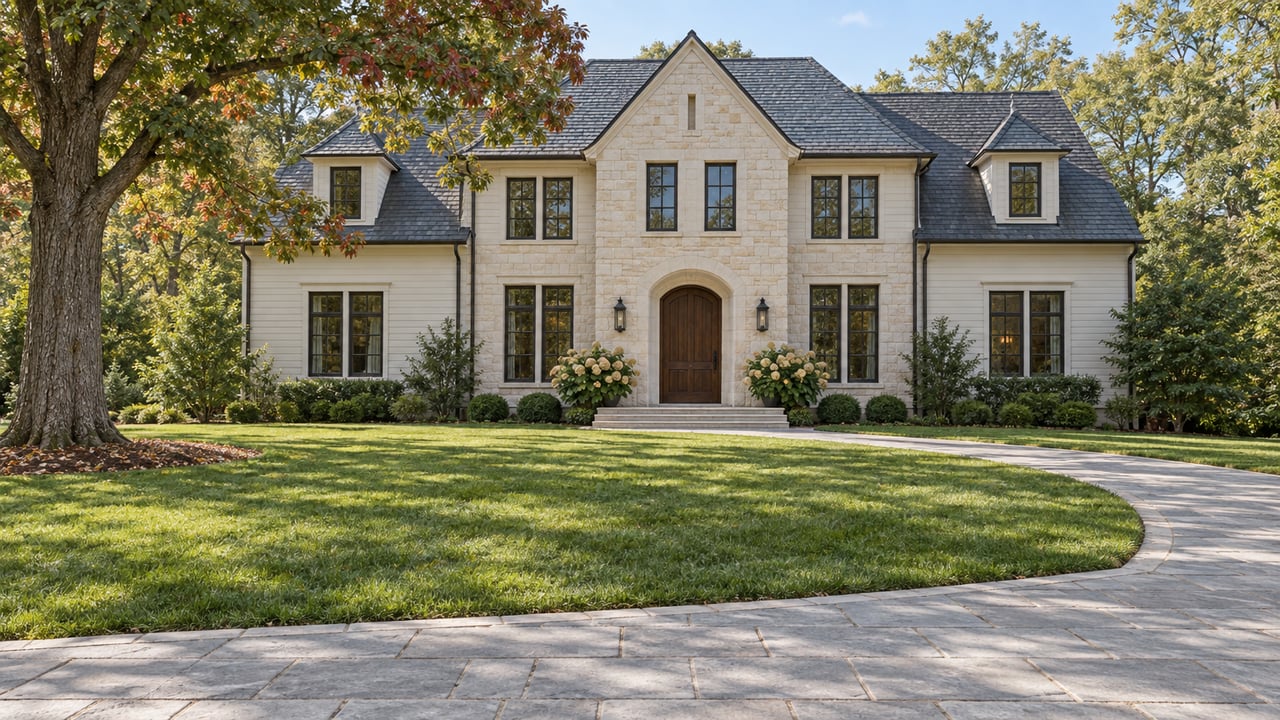
Newer single‑family construction appears in small clusters or as tear‑down rebuilds. Because the city is mostly built out, the pipeline is limited and priced at a premium. City reports note that most new permits since 2010 have been for multifamily, not single‑family, reflecting a planning focus on housing variety and constrained lot supply. See the City’s Housing Needs Analysis and 2040 planning materials for context.
Floor plans and lifestyle fit
Rambler living
If you like main‑level bedrooms and fewer stairs, a rambler may be perfect. Basements are common and often finished or finishable, which adds flexible space for a family room, office, or gym. Many ramblers have three bedrooms and one to three baths, with potential for an open‑plan kitchen update.
Split‑level flexibility
Split‑levels use half‑stairs to separate spaces, which can help with noise and privacy. You will often get a main living zone, an upper sleeping level, and a lower family or utility level. This format works well if you want defined zones without a large footprint.
Newer plans and systems
Newer infill homes typically deliver open kitchens, larger primary suites, modern electrical capacity, and better insulation. Builder warranties and code‑level energy performance can mean lower short‑term maintenance. In Golden Valley, though, the supply of newer single‑family homes is limited, so expect competition and higher prices per square foot.
Renovation potential and budget
Many mid‑century homes respond well to smart updates. Typical projects include kitchen reconfiguration, bathroom refreshes, mechanical replacements, window and insulation upgrades, and basement finishing. National benchmarks from the 2024 Cost vs. Value report can help you set expectations:
- Minor (midrange) kitchen remodel: about $27,500 average cost with roughly $26,400 in resale value on average.
- Midrange bathroom remodel: about $25,250 average cost with about $18,600 in resale value on average.
- Vinyl window replacement: about $21,200 average cost with about $14,300 in resale value on average.
These are national averages, not Golden Valley quotes. Your results will vary by house condition and scope. The data suggests midrange projects often recoup more than major upscale overhauls. If you plan to modernize a mid‑century home, set a targeted scope and compare costs to local comps.
Hidden costs and high‑priority inspections
Before you buy, protect your budget with the right checks:
- Radon: Minnesota has high radon prevalence. Review any past results and plan a test during your inspection, as recommended in the Minnesota Department of Health radon guidance.
- Lead‑based paint: Homes built before 1978 may contain lead paint. Learn about testing and safe renovation via MDH lead exposure resources.
- Asbestos: Some mid‑century materials can contain asbestos. If you plan to disturb old flooring, siding, or textured ceilings, consider testing. See a practical overview of common asbestos‑containing materials in mid‑century homes.
- Plumbing, electrical, and mechanicals: Galvanized or cast‑iron lines, older panels, and aging furnaces or water heaters may need upgrades. The City’s housing analysis highlights the need to budget for system updates.
- Water and drainage: Ask about sump pumps, grading, and any past water events. City planning feedback notes localized drainage concerns in some older areas. Review City planning materials and disclosures.
Maintenance and energy upgrades
Newer builds often have lower near‑term maintenance because roofs, siding, appliances, and mechanicals are fresh. Mid‑century homes can be cost‑effective if major systems are updated or if you plan a phased approach. Energy upgrades are becoming more affordable through incentives. Heat pump retrofits, panel upgrades, and weatherization may qualify for rebates listed on the Minnesota heat pump and electrification incentives page. If efficiency and comfort are top priorities, include these in your budget plan.
Lot size and room to grow
Many older Golden Valley neighborhoods offer larger lots than newer infill. That can make future additions, a second garage, or outdoor projects more feasible. The City’s housing analysis outlines target lot widths for different single‑family product types, which helps explain why older parcels sometimes provide more expansion flexibility. Always verify your ideas against current city codes and setback rules.
Neighborhood pointers
- Tyrol Hills: Known for mid‑century modern and custom homes on larger lots. The Historic Context Study is a great primer on this area’s architectural character.
- Hidden Lakes and Country Club area: Mixed eras and styles with remodels and some newer builds appearing in small clusters. Inventory here changes frequently, and pricing often reflects lot size and the level of updates.
Availability and pricing vary by season and market cycle. If you have a favorite pocket, be ready to move quickly when the right home appears.
Decision guide: classic vs newer
- Choose an established mid‑century home if you want character, a mature lot, and you are open to targeted renovations that add value. Plan a scope, get quotes, and consider midrange upgrades for better resale potential.
- Choose newer or recently remodeled if you want low maintenance, modern systems, and immediate occupancy. You may pay a premium, especially for small infill builds with limited supply.
- Want the best of both? Look for well‑updated mid‑century homes or newer construction in small clusters. Expect higher price per square foot and competition.
Buyer checklist for offers and due diligence
- Request prior radon test results and include a radon test contingency. See MDH guidance.
- Order a full inspection with attention to roof, gutters and drainage, foundation, sump pumps, HVAC age and permit history, electrical panel capacity, and visible plumbing materials. For mid‑century homes, add lead‑safe and asbestos advice.
- If built before 1978, plan for lead‑safe renovation practices and testing. Review MDH resources.
- Confirm whether the water service line is lead or galvanized through utility or state inventories. Factor replacement costs and potential programs into your plan. Learn about state and federal service line replacement efforts.
- Get contractor or architect feasibility and ballpark costs for priority work and compare with the 2024 Cost vs. Value report to gauge typical resale impact.
What it may cost in Golden Valley
Recent data providers reported different medians due to varying methods and time frames. As context for early 2026, Zillow’s ZHVI was about $418,000 (Jan 2026), Redfin reported roughly $522,000 (Feb 2026), and Realtor.com showed about $477,500 (late 2025). Use this range to frame your budget, then drill into current, property‑specific comps and renovation scope.
Ready to tour homes that fit you?
If you want a single, accountable guide who knows Golden Valley and the west‑metro market, you will get exactly that here. From on‑point price guidance to vetted contractor referrals and tight negotiation, you work directly with one advocate focused on your outcome. When you are ready to compare classic charm and newer builds in person, reach out to Randy Kellogg. Get 100% Randy on Your Side.
FAQs
What home styles are most common in Golden Valley, MN?
- You will mostly see mid‑century ranches, split‑levels, and some architect‑designed mid‑century modern homes, as documented in the Golden Valley Historic Context Study.
How limited is newer single‑family construction in Golden Valley?
- The city is largely built out, and planning documents indicate most recent permits were for multifamily, with single‑family infill occurring in smaller numbers due to lot constraints.
What inspections are critical for mid‑century homes in Golden Valley?
- Prioritize radon testing, lead‑safe practices for pre‑1978 homes, possible asbestos checks, system age reviews, and drainage or sump pump condition. See MDH and City resources linked above.
Do mid‑century Golden Valley homes have renovation upside?
- Many do. Kitchens, baths, windows, insulation, and basements are common value‑add projects. The 2024 Cost vs. Value report shows midrange projects often recoup more than major upscale remodels.
Are basements common and worth finishing in Golden Valley?
- Yes, basements are common and often finishable, which can add functional living space. Always check for past water issues and proper drainage before planning a finish.
Which Golden Valley areas showcase mid‑century design?
- Tyrol Hills is a known pocket for mid‑century modern and custom homes on larger lots, per the city’s historic study. Inventory varies, so monitor listings closely or set alerts.