Looking for a place where you can enjoy lakes, trails, and parks without giving up an efficient Twin Cities commute? Plymouth stands out for exactly that balance. If you want everyday outdoor access and practical metro connections, this guide will show you why Plymouth continues to draw attention from buyers across the west metro. Let’s dive in.
Why Plymouth Stands Out
Plymouth sits about 12 miles northwest of Minneapolis, and its location is a major part of its appeal. The city is crossed and bordered by I-494, Highway 169, Highway 55, and I-394, which helps connect you to destinations across the Twin Cities.
That combination is not always easy to find. In many suburbs, you get outdoor amenities or commuter convenience, but not both. Plymouth offers a more practical mix, with recreation built into daily life and strong access to the broader metro.
Plymouth Parks and Trails
Plymouth’s park system is one of the clearest reasons buyers look closely at the city. According to the city, Plymouth has 68 developed parks, more than 1,834 acres of park land, about 186 miles of city, state, and regional trails, six special-use facilities, eight playfields, and three public beaches.
That scale matters because it gives you choices. You are not limited to one destination park or a short neighborhood path. Instead, the city’s trail and park network supports everything from quick walks and bike rides to longer weekend outings.
Trails Connect Daily Life
One of Plymouth’s biggest strengths is how its trails function beyond recreation alone. The city notes that the trail system makes it easier to move between neighborhoods, commercial areas, and scenic spots like Medicine Lake and Parkers Lake.
For buyers, that means outdoor access can become part of your routine. A trail is not just a place to visit once in a while. In Plymouth, it can be part of how you move through the community on a regular basis.
Regional Links Add Flexibility
Plymouth also works with neighboring communities to connect local trails to regional corridors. That gives the city a broader recreation footprint than you might expect from a single suburb.
In practical terms, the trail system does not feel isolated. It connects into a larger west metro network, which can make biking, walking, and outdoor time feel more integrated into your lifestyle.
Outdoor Spots Buyers Notice
If you are comparing west metro communities, a few Plymouth destinations usually rise to the top. These are the places that help define the city’s outdoor identity and show how recreation fits into daily living.
Medicine Lake
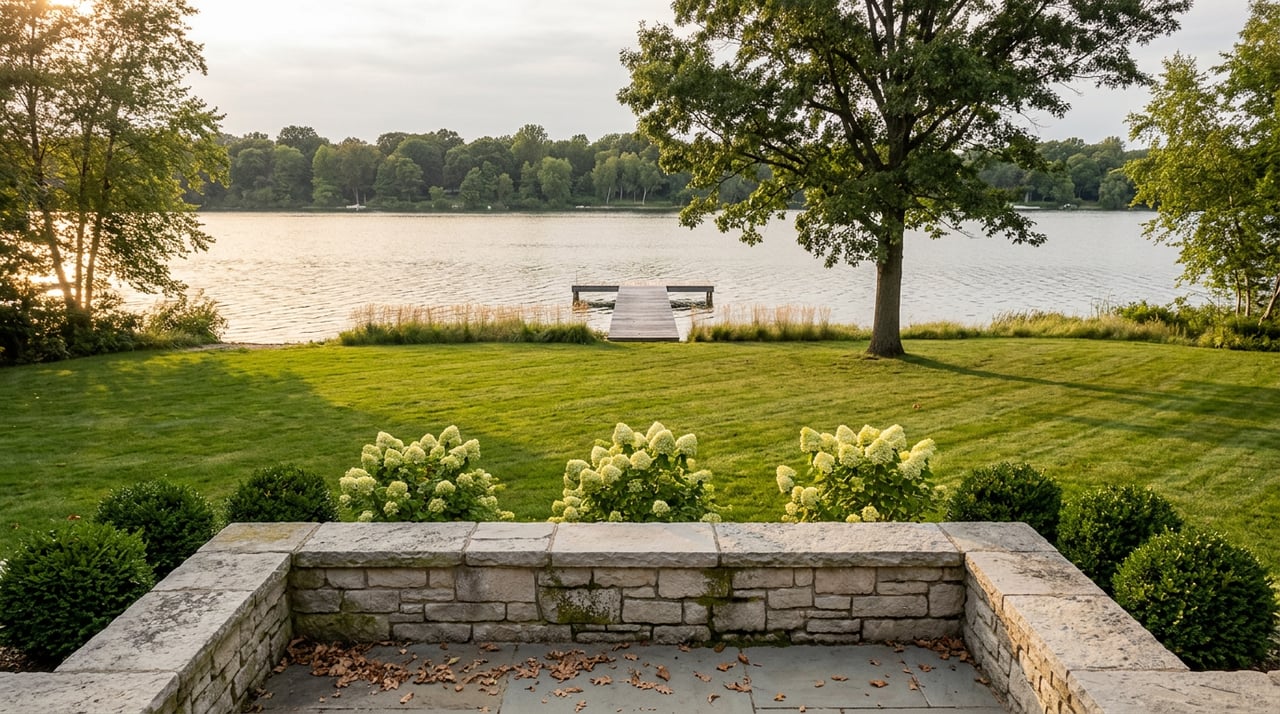
Medicine Lake is one of Plymouth’s signature natural features and is identified by the city as the second-largest lake in Hennepin County. The area includes beach access, fishing, lighted trails, and play areas.
It is also connected in a useful way. Trails from East Medicine Lake Park link to both French Regional Park and West Medicine Lake Park, making the area feel connected rather than fragmented.
French Regional Park
Clifton E. French Regional Park adds another layer to Plymouth’s appeal. Located on the north shore of Medicine Lake, it offers a swimming beach, fishing pier, lighted trails, and 4.6 miles of paved trails that loop between the visitor center and beach while connecting to the Medicine Lake Regional Trail.
This is the kind of amenity that supports both spontaneous outings and planned weekends. You can enjoy a short stop by the water or spend more time exploring connected trails and lakefront areas.
Parkers Lake
Parkers Lake is another everyday-use destination that helps Plymouth feel livable. The city says trails at Parkers Lake Park provide access to the playground, public swimming beach, and volleyball courts.
That setup is useful because it keeps recreation close and simple. You do not need to plan a major outing to enjoy the outdoors when these amenities are woven into the community.
Northwest Greenway
For buyers who want a more wooded setting, the Northwest Greenway offers a different feel. Plymouth describes it as a nearly 315-acre wooded nature preserve with about 7.7 miles of paved trails, stretching about 2 linear miles from Lake Camelot to the Pavilion and Challenge Course area.
The greenway also connects to neighborhood parks, the Plymouth Dog Park, and the Medicine Lake Regional Trail. That creates another layer of outdoor flexibility, whether you want a quiet walk, a longer ride, or easier access to connected trail routes.
Eagle Lake Regional Park
Eagle Lake Regional Park, located on the Plymouth and Maple Grove border, adds another regional-scale option. Three Rivers Park District says the park offers biking, hiking, cross-country skiing, skijoring, and snowshoeing, plus one mile of paved trail and additional unpaved hiking trail.
That variety supports a broader view of outdoor living. In Plymouth, the appeal is not limited to lake season. You have options that support activity through different times of year.
Commutes in Plymouth
Outdoor living is a major draw, but convenience still matters when you are choosing where to live. Plymouth performs well here because of its road network and transit options.
The city says direct access to I-494, Highway 169, Highway 55, and I-394 provides quick connections throughout the Twin Cities. If you drive to work, that highway access is a meaningful part of day-to-day convenience.
Driving Access Across the Metro
For many buyers, the simple value is flexibility. Plymouth’s location can make it easier to reach downtown Minneapolis, nearby west metro business areas, and other destinations across the region.
That does not mean every commute is the same, of course. But the structure is there, and that matters when you are evaluating how a suburb fits your routine.
Transit Options Beyond Driving
Plymouth also offers alternatives if you do not want to rely only on a car. The city operates Plymouth Metrolink, which includes express commuter routes to downtown Minneapolis and the University of Minnesota.
The city also offers Click-and-Ride, an on-demand transit service that operates anywhere in Plymouth. It also serves select nearby destinations, including Ridgedale Center, Wayzata, Golden Valley Center, and the Maple Grove Transit Station.
For buyers, that adds flexibility to the commute picture. You may still drive most days, but having city-run transit and local on-demand service can make daily logistics easier.
Year-Round Outdoor Living
Plymouth’s recreation story is not limited to warmer months. That is important if you want outdoor amenities that stay useful through more of the year.
Three Rivers Park District says the Medicine Lake Regional Trail is plowed in Plymouth and Maple Grove during winter months. The Luce Line Regional Trail is also plowed in winter, which supports continued trail use when temperatures drop.
This helps reinforce a key point about Plymouth. The city’s outdoor lifestyle is not just about summer weekends. It is built to support regular activity across seasons.
What This Means for Homebuyers
When you are choosing a home, lifestyle often matters just as much as square footage. Plymouth gives you a strong case for both convenience and recreation, which can be hard to balance in one location.
You have access to lakes, beaches, regional parks, wooded trails, and connected corridors across the west metro. At the same time, you have major highways and city-run transit options that support practical commuting.
For local buyers and relocating buyers alike, that combination can make Plymouth especially compelling. It offers a suburban setting where outdoor access feels real and routine, not just aspirational.
If you are considering a move in Plymouth or elsewhere in the west metro, having local guidance can help you compare communities, narrow your search, and focus on the lifestyle fit that matters most. When you want direct, knowledgeable support, Randy Kellogg offers a hands-on, single-agent approach to help you move forward with confidence.
FAQs
How extensive is the park system in Plymouth, MN?
- Plymouth reports 68 developed parks, more than 1,834 acres of park land, about 186 miles of trails, six special-use facilities, eight playfields, and three public beaches.
What outdoor spots are most notable in Plymouth, MN?
- Key outdoor destinations in Plymouth include Medicine Lake, Clifton E. French Regional Park, Parkers Lake, the Northwest Greenway, and Eagle Lake Regional Park.
Can you commute from Plymouth, MN without only driving?
- Yes. Plymouth offers Metrolink express commuter service to downtown Minneapolis and the University of Minnesota, plus Click-and-Ride on-demand service within the city and to select nearby destinations.
Are Plymouth, MN trails usable in winter?
- Yes. Three Rivers Park District says the Medicine Lake Regional Trail in Plymouth and Maple Grove is plowed in winter, and the Luce Line Regional Trail is also plowed during winter months.
Why do buyers consider Plymouth, MN for lifestyle and convenience?
- Buyers often look at Plymouth for its mix of large-scale parks, lakes, beaches, connected trails, major highway access, and local transit options that support both outdoor living and practical metro access.