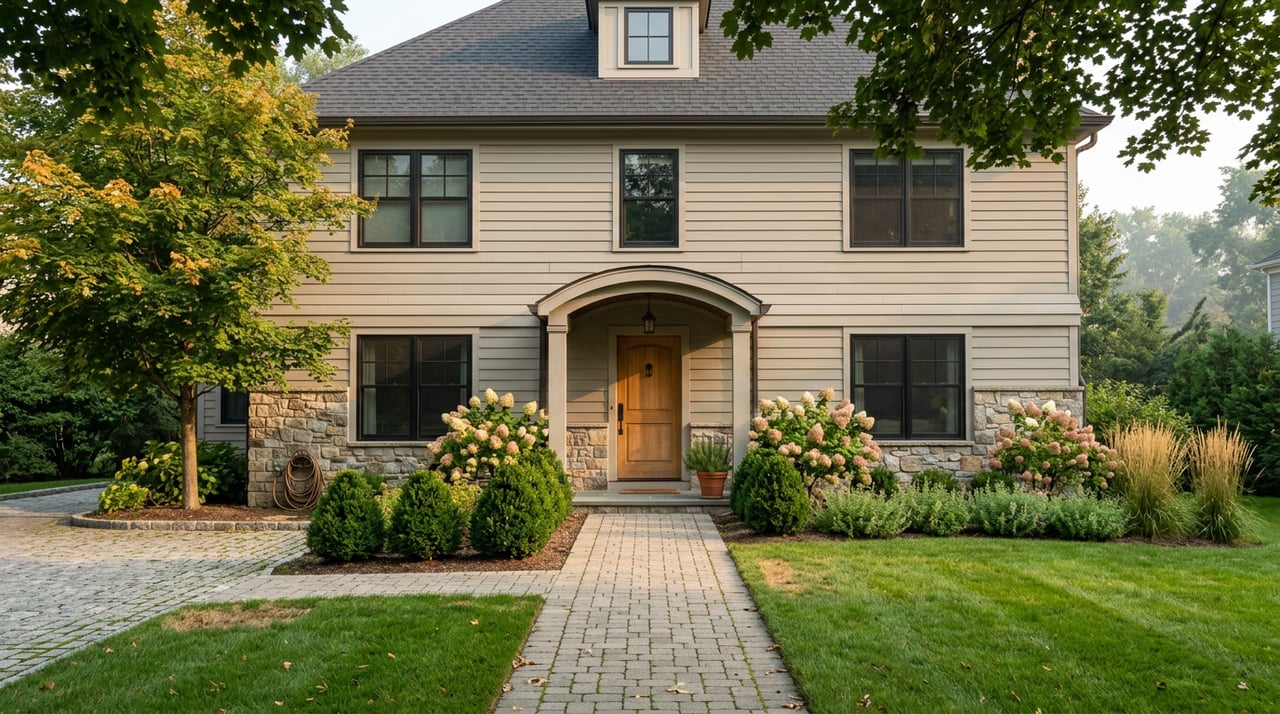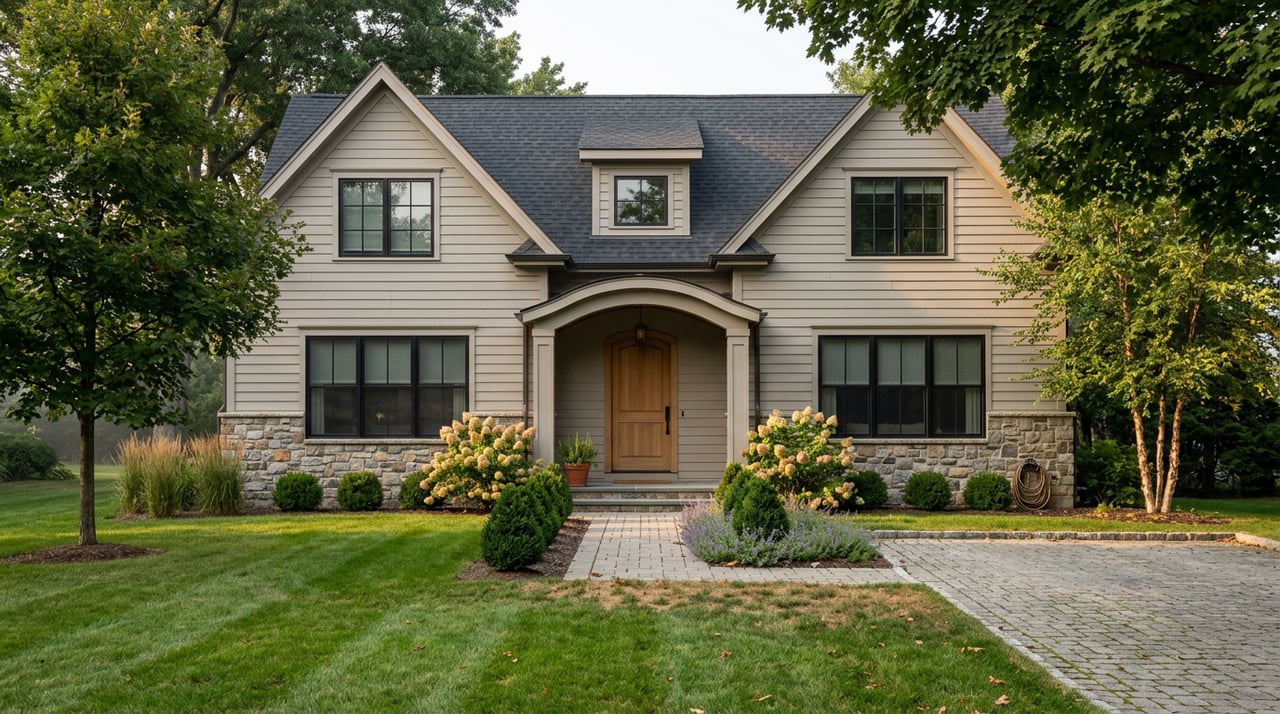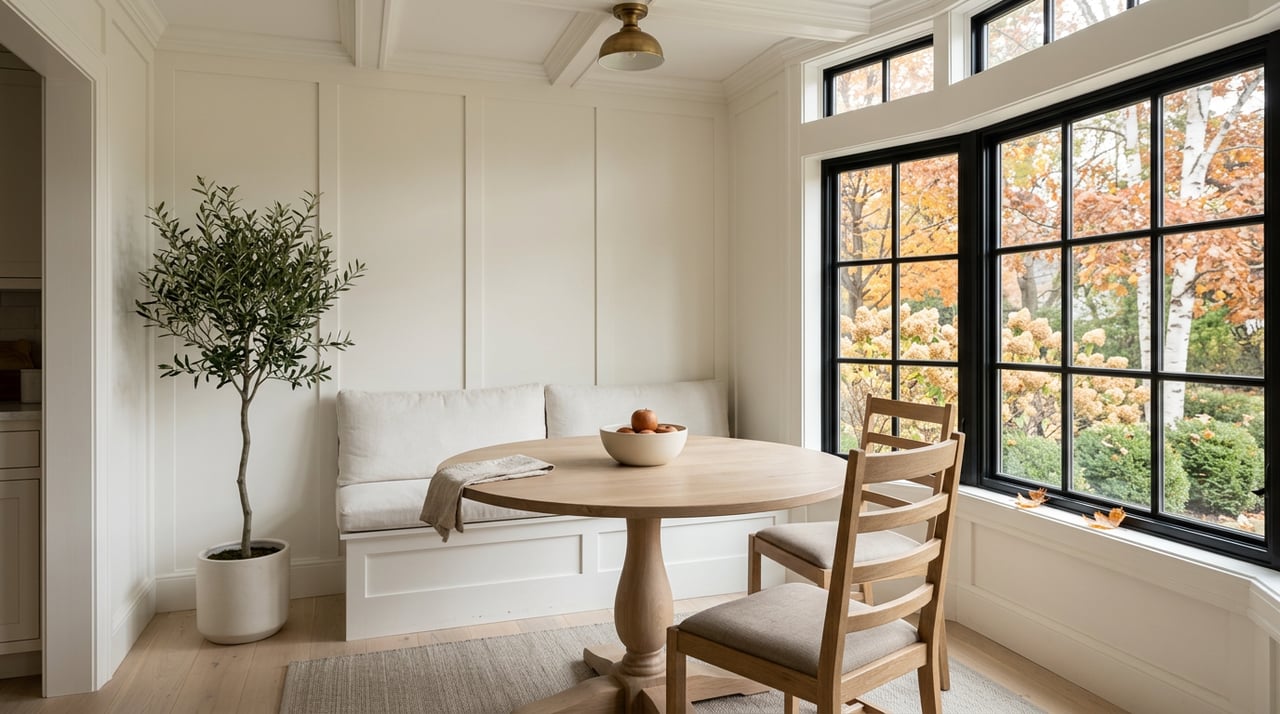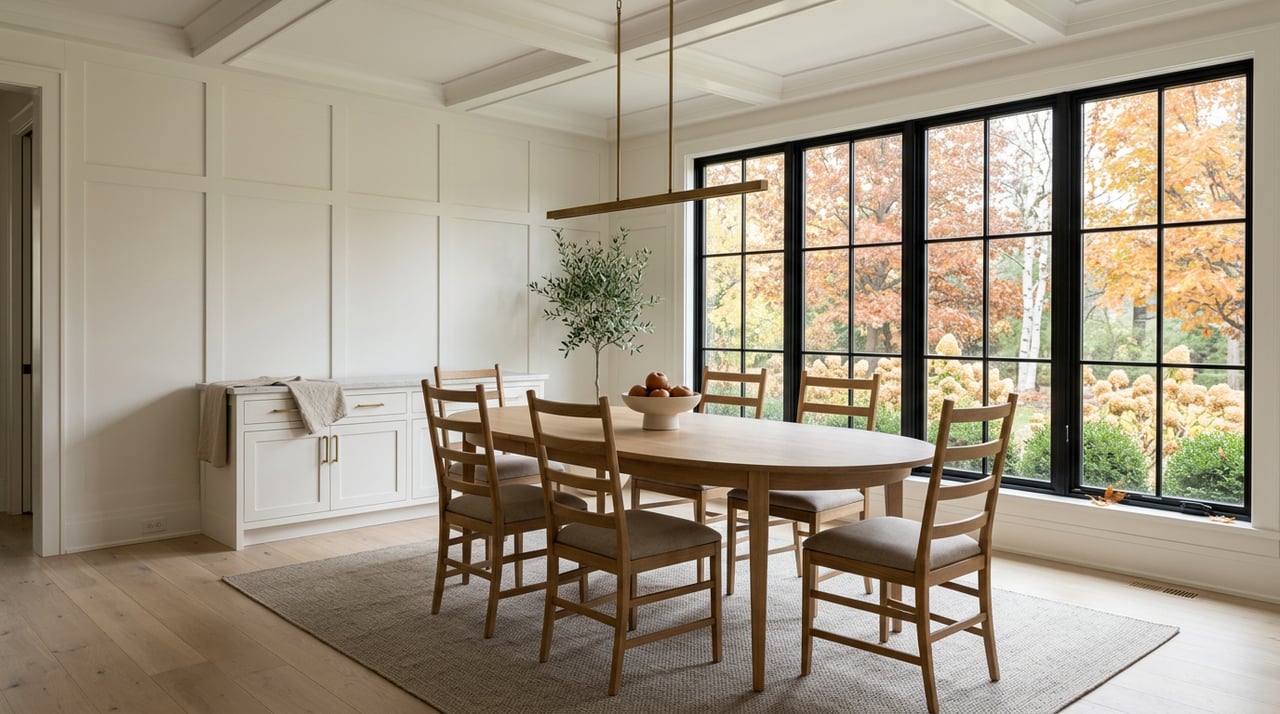
If you are deciding between a brand-new home and an older street in Victoria, you are asking the right question. In a city that is growing quickly and still dealing with low housing inventory, that choice can shape your budget, timeline, and day-to-day lifestyle. The good news is that both options can make sense, depending on what matters most to you. Let’s break down how to think about new construction versus an established neighborhood in Victoria.
Victoria's Growth Matters
Victoria is one of Carver County’s faster-growing cities. Population estimates for 2024 place the city at roughly 12,000 residents, up notably from the 2020 Census count of 10,546. At the same time, Carver County has noted that local housing inventory remains tight even with new construction activity across the county.
That combination helps explain why many buyers in Victoria compare both paths in the same search. You may find yourself choosing between a newly built home in a growth area and an existing home on a more established street. In this market, the better fit often comes down to how you want to live, not just how new the house is.
What Makes Victoria Unique
Victoria offers a mix that many buyers want: a growing housing supply, a recognizable downtown, and easy access to outdoor amenities. The city’s planning documents point to continued growth on the west and south sides of town, including future housing tied to broader redevelopment goals.
At the same time, Victoria already has strong everyday amenities in place. Carver Park Reserve sits on the north side of the city, and regional trail connections can be accessed from downtown. In a city livability survey, about 80% of residents said they had used Victoria’s trail system at least once in the prior year.
That matters because your decision is not only about the house. It is also about whether you want a home in an area that is still taking shape or one with more established access to downtown, trails, parks, and surrounding streets.
Why Buyers Choose New Construction
New construction usually appeals to buyers who want a more modern home setup and fewer immediate repair concerns. You may also like the chance to personalize finishes, floor plans, or design details, depending on the stage of construction.
Another draw is warranty coverage. The FTC notes that many newly built homes include a builder warranty, with typical coverage that may include one year for workmanship and materials, two years for systems such as HVAC, plumbing, and electrical, and up to 10 years for major structural defects from some builders.
In Victoria, new construction also connects with the city’s planned growth pattern. The west and south growth areas, along with downtown and west-side redevelopment planning, suggest that new housing is part of a broader long-term vision rather than isolated building.
Benefits of New Construction
- Newer materials and home systems
- Possible design or finish selections
- More predictable maintenance early on
- Builder warranty coverage in many cases
- Opportunity to buy in areas planned for future growth
What to Watch With New Construction
A new home can be appealing, but details matter. If the home is not finished yet, your decision is based partly on plans, allowances, and timelines instead of a fully completed property.
The CFPB says buyers should ask when a builder deposit is refundable. It also notes that you do not have to use a builder’s affiliated lender and recommends financing and inspection contingencies. HUD also recommends getting a home inspection.
You will also want to confirm what is actually included. Landscaping, final grading, sod, trees, irrigation, driveways, patios, and window coverings may not always be included in the same way from one property to another.
Questions to Ask a Builder in Victoria
- What is included in the base price?
- Is there a lot premium?
- Are sod, landscaping, irrigation, driveway, and patio included?
- What is the estimated completion date?
- What happens if the construction schedule changes?
- What warranty applies, and how are claims handled?
- Is the earnest money deposit refundable, and under what conditions?
- Are you required to use a preferred lender?
- Are HOA dues, special assessments, or future phases planned?
- How is the property expected to be assessed for taxes after completion?
Why Buyers Choose Established Neighborhoods
Established neighborhoods often work better if you want to move sooner and evaluate the actual home, yard, and street before making a decision. Instead of buying from plans or a model, you can see how the property lives right now.
In Victoria, established areas may also offer quicker access to the downtown business district, the trail network, and the city’s mature parks and open space. That is not true for every address, but it is a practical advantage many buyers value.
You may also prefer the settled feel of mature landscaping and a fully built-out block. If street character, existing trees, and immediate usability rank high on your list, an established neighborhood often has the edge.
Benefits of Established Neighborhoods
- Faster closing potential
- You can inspect the home in its final form
- Mature trees and landscaping may already be in place
- Street character is easier to evaluate
- Some homes may be closer to downtown or trail access
What to Watch With Existing Homes
Older homes bring a different set of trade-offs. You may have fewer design choices, and condition becomes a bigger part of the decision.
That is why inspection and due diligence matter. The CFPB recommends financing and satisfactory inspection contingencies, and buyers should pay close attention to the age and condition of major components such as the roof, furnace, air conditioning, water heater, windows, and driveway.
You should also ask about drainage, grading, settling, remodel history, and whether permits were pulled when needed. Carver County also notes that new construction, alterations, and improvements are viewed in the current year for assessment purposes, so buyers should verify projected taxes rather than assume the current bill will remain the same.
Questions to Ask About an Existing Home
- How old are the roof, furnace, AC, water heater, and windows?
- Have there been drainage, grading, or settling issues?
- What updates or remodels were completed?
- Were permits pulled for major work?
- Are there special assessments or neighborhood projects to know about?
- Is the asking price already accounting for needed repairs or updates?
- How does the home compare with nearby properties on the same street or area?
How Lot Size and Outdoor Space Compare
Many buyers assume older homes always have larger lots, but that is not always true in Victoria. According to the city planning context in the research, differences often come down more to subdivision design and development phase than simply whether a home is new or old.
If yard size matters to you, compare actual plats, setback lines, and usable yard depth. That gives you a much clearer picture than relying on age alone.
For new construction, outdoor details deserve extra attention before closing. It is smart to confirm final grading, landscaping, sod, tree planting, and irrigation so you know exactly what will be finished and what may become your responsibility.
A Simple Victoria Decision Framework
If you feel torn, it helps to simplify the choice. In Victoria, new construction is often about planned growth, customization, and warranty-backed components. An established neighborhood is often about immediate usability, mature surroundings, and seeing the exact home you will live in.
New Construction May Fit Best If You...
- Want newer finishes or design flexibility
- Can wait for construction to be completed
- Are comfortable with builder deposits and timelines
- Prefer newer systems and fewer near-term repairs
An Established Home May Fit Best If You...
- Want to close sooner
- Care most about location and street feel
- Want to see the exact yard and neighboring homes before buying
- Are comfortable budgeting for maintenance or updates over time
The Best Choice Depends on Your Priorities
There is no one-size-fits-all answer in Victoria. Some buyers are drawn to the city’s expanding edges and the appeal of a brand-new home. Others care more about a settled area, mature surroundings, and access to the parts of Victoria that already feel complete.
The right move is usually the one that matches your timeline, your comfort with maintenance, and how you want to experience the city every day. If you compare the details carefully, both paths can lead to a smart purchase.
If you want help weighing new construction against established neighborhoods in Victoria, Randy Kellogg can help you compare options, ask the right questions, and move forward with confidence.
FAQs
What is the main difference between new construction and an established neighborhood in Victoria?
- In Victoria, new construction usually offers newer finishes, possible customization, and builder warranty coverage, while established neighborhoods usually offer a move-in-ready setting, mature landscaping, and a home you can inspect in its final form.
Are new construction homes in Victoria mostly tied to specific growth areas?
- Victoria’s planning documents point to continued growth on the west and south sides of the city, along with future housing in downtown and west-side redevelopment areas.
What should you ask before buying a new construction home in Victoria?
- You should ask about the base price, lot premium, included features, completion timeline, warranty details, deposit refund terms, lender requirements, HOA dues, possible assessments, and projected property taxes after completion.
Why do some buyers prefer established neighborhoods in Victoria?
- Many buyers prefer established neighborhoods because they can evaluate the actual home, yard, trees, and street right away, and some locations may offer quicker access to downtown, trails, and parks.
How should you compare lot sizes in Victoria neighborhoods?
- Instead of assuming older homes always have larger lots, compare actual plats, setback lines, and usable yard depth, since lot differences in Victoria often depend more on subdivision design and development phase.
Do property taxes stay the same after buying in Victoria?
- Not always. Carver County says new construction, alterations, and improvements are viewed in the current year for assessment purposes, so it is important to verify projected taxes rather than rely only on the current tax bill.