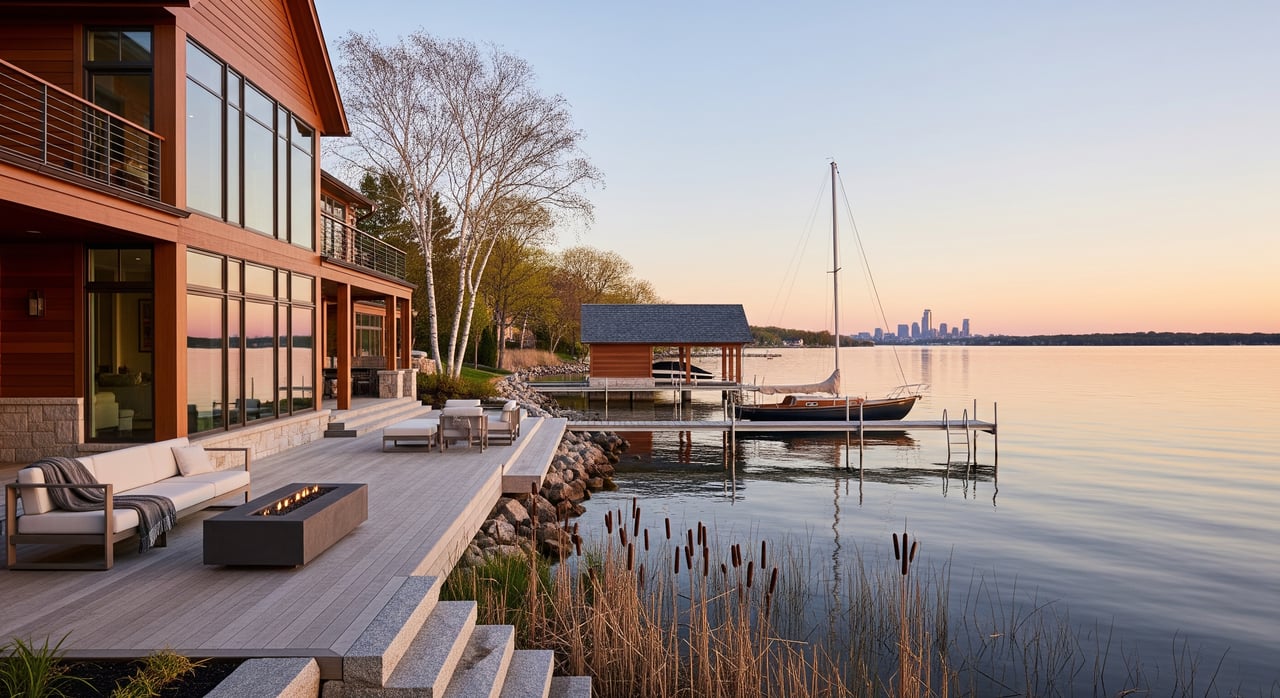
What would your mornings look like if the lake was part of your daily routine? In Wayzata, you can grab coffee, stroll the waterfront, and watch boats glide across Lake Minnetonka before the workday starts. If you’re weighing a move, you want more than pretty views. You need to know how daily life flows, what housing options exist, how lake access works, and what to expect in every season. This guide gives you a clear, boots-on-the-ground picture of living on the bay so you can decide with confidence. Let’s dive in.
Wayzata on Lake Minnetonka
Wayzata sits on the eastern edge of Lake Minnetonka in Hennepin County. It blends a compact, walkable downtown with an active marina scene, drawing year-round residents and seasonal boaters. You get scenic living with quick access to Minneapolis employment centers.
Local lake use is guided by regional and city oversight. Shoreline improvements, docks, and moorings are subject to rules from the City of Wayzata, Hennepin County, the Minnesota Department of Natural Resources, and the Lake Minnetonka Conservation District. If you plan to add a dock or alter the shoreline, expect to review permits and standards before you start.
Your everyday routine by the bay
Walkable downtown and lakefront
Wayzata’s downtown is compact, which makes short walks part of your day. It’s common to run errands on foot, meet friends for coffee, and loop the waterfront for a quick reset. Lakeside green spaces and small beaches give you easy places to walk the dog, jog, or catch a sunset.
Marinas and the harbor shape summer life. Many residents own or rent slips for the season, and boat traffic adds energy along the shore. Even without a boat, you still feel connected to the water through the promenade, parks, and public viewing spots.
Dining, shopping, and services
You’ll find a concentration of restaurants, casual cafes, bakeries, and wine or coffee spots near the water. Patios and lake views are a big draw in warm months. Boutique shops, galleries, home goods, salons, and fitness studios cluster downtown, while larger grocery stores and big-box options sit a short drive away in neighboring suburbs.
Recreation and fitness
If you like to be active, you have options in every season. Local lakefront paths and regional trails support walking, running, and cycling. On the water, summer brings powerboating, sailing, paddleboarding, kayaking, and wake sports. Around the lake, you can find organized programming such as sailing schools, yacht clubs, and lessons.
Winter shifts the scene but not the activity level. When the lake freezes in colder winters, residents pivot to ice fishing, skating, snowmobiling on designated routes, cross-country skiing, and snowshoeing in regional parks.
Community and events
Wayzata’s calendar leans into the lakeside setting. Expect farmers markets, summer concert series, art shows, and holiday events. Charity regattas and parades pop up in peak season. These events draw visitors from around Lake Minnetonka and give you easy ways to connect with neighbors.
Seasons on the bay
Summer peak
Summer is the most active time on the water and downtown. Outdoor dining and waterfront events are in full swing. You’ll notice more congestion near popular launch points and marinas, especially on weekends.
Spring and fall
Shoulder seasons bring quick shifts. Boating ramps up in spring and winds down in fall, and some businesses adjust hours outside peak months. Homeowners and marinas focus on dock installation, removal, and shoreline maintenance.
Winter rhythm
Downtown is quieter and the lake is typically ice-covered for months in colder winters. Daily life centers on winter maintenance and safety, like snow removal and mindful walking on icy paths. For many locals, winter recreation replaces summer boating to keep the outdoors in the routine.
Housing options near the water
Wayzata offers a range of homes that fit different lifestyles and budgets, with lakefront commanding a premium.
- Lakefront estates with private shoreline and the potential for docks, subject to rules and permits.
- Smaller single-family homes set back from the lake, including historic cottages and remodeled properties.
- Condominiums and townhomes near downtown or with lake views, including newer infill and luxury buildings.
- Limited duplexes or accessory units where zoning allows.
Prices in Wayzata tend to run higher than the Twin Cities metro median, and direct shoreline properties often trade at a significant premium. Condos and inland single-family homes are typically more accessible than prime lakefront but still trend above many outer suburbs. For current pricing and inventory, it’s best to review local MLS data and recent market reports.
Lake access 101
Lake access depends on where and how you buy. Understanding the differences helps you plan your lifestyle and budget.
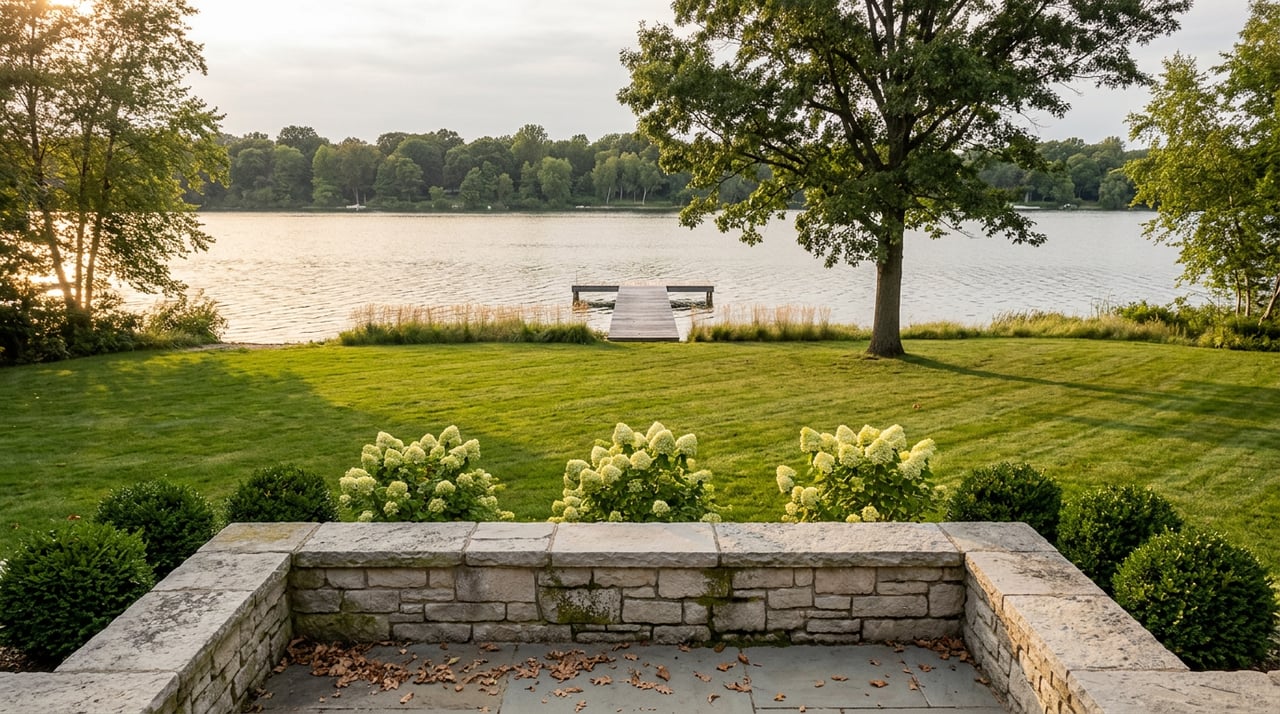
- Direct shoreline ownership: You own property on the lake and may seek a private dock, but dock size, location, and moorings follow city, county, DNR, and Lake Minnetonka Conservation District rules. Some properties have established improvements, while others require permitting.
- Waterfront condos or associations: Many buildings or HOAs include shared docks, slips, or waiting lists. Fees often support dock maintenance, landscaping, and snow removal.
- Inland homes: You do not have private shoreline, but you can still enjoy the lake through public launches, marinas, and seasonal slip rentals. Some residents store smaller watercraft for cartop launching or paddling.
If lake access is a must-have, confirm details before you write an offer. Ask about slip availability, HOA policies, dock dimensions, and any restrictions that apply to your lot or building.
Getting around and daily logistics
Commuting and road access
Wayzata provides a short drive to Minneapolis employment centers through regional highways and arterials. Travel times vary with rush-hour patterns and can be longer on summer weekends near the waterfront. If you commute daily, test-drive your route during the hours you’ll use most.
Parking and peak periods
Downtown parking includes on-street spaces and municipal lots designed for short visits. Events and sunny weekends can strain capacity near the lakefront. Many residents walk or bike for short trips when the weather cooperates.
Transit and trails
Regional and express bus routes serve the west metro corridor. Check schedules and stops that fit your commute. Multiuse trails support biking to nearby suburbs, but distance and winter road conditions limit year-round bike commuting for most people.
Schools, healthcare, and errands
The area is served by Wayzata Public Schools. Always verify school boundaries and enrollment options for a specific address. Primary care and urgent care are available in nearby suburbs, and major hospitals are reachable by car. Downtown works for quick errands, while full grocery runs are often a short drive to larger shopping centers.
Ownership logistics for lakeside living
Owning near the water comes with unique responsibilities and costs. Build these into your plans early.
- Docks and slips: A shoreline address does not automatically guarantee a dock or slip. Mooring rights and dock dimensions are regulated, and marinas may use seasonal contracts or waiting lists.
- Shoreline care and permits: Erosion control, riprap, and other shoreline projects may require permits and must meet environmental standards.
- Insurance and maintenance: Waterfront properties can have higher insurance costs and seasonal work. Budget for dock installation and removal, winterization, sump pumps, and routine inspections.
- HOA or condo fees: Association dues often cover shared docks, landscaping, snow removal, and exterior maintenance. Ask for a breakdown of services and reserve policies.
Is Wayzata a fit for you
If you want a lake-centered lifestyle with a walkable downtown and practical access to the city, Wayzata delivers. You can weave the water into daily life, whether you boat in summer or skate and ski in winter. Homes range from luxury lakefront estates to condos and inland single-family options, and each brings a different path to enjoying the bay.
When you are ready to explore, you will want a clear plan for access, maintenance, and budget. A local guide can help you compare neighborhoods, assess association rules, and time your search with the seasons.
Ready to make the lake part of your everyday? Reach out to Randy Kellogg to tour homes, align your lake access goals, and map the right next step.
FAQs
What does a typical day look like living in Wayzata on Lake Minnetonka
- You can walk for coffee, run errands downtown, and spend time on the waterfront, with boating in summer and skating or skiing options in winter.
How walkable is downtown Wayzata for daily errands
- The downtown core is compact, so short walks cover coffee, dining, and small-shop errands, with larger grocery trips often handled by a quick drive nearby.
Do all lakefront homes in Wayzata include a private dock
- No. Dock and mooring access depends on property specifics and regulations, and some owners rely on marina slips or association facilities.
How can I enjoy the lake if I buy an inland home in Wayzata
- You can use public launches, rent seasonal slips at marinas when available, and enjoy paddle sports, promenades, and parks along the waterfront.
What should I budget for lakeside ownership and maintenance
- Plan for dock installation or removal, winterization, possible erosion control, and potentially higher insurance, plus HOA fees if you buy a condo or association home.
What are the commuting options from Wayzata to Minneapolis
- Most residents drive via regional highways, and some use express or regional bus routes; travel times vary with rush hour and summer weekend activity.